
The Ravishing Cinema of Bill Gunn
Five films featuring the inimitable Bill Gunn, Oct 28 - Nov 16 at Roxy Cinema!
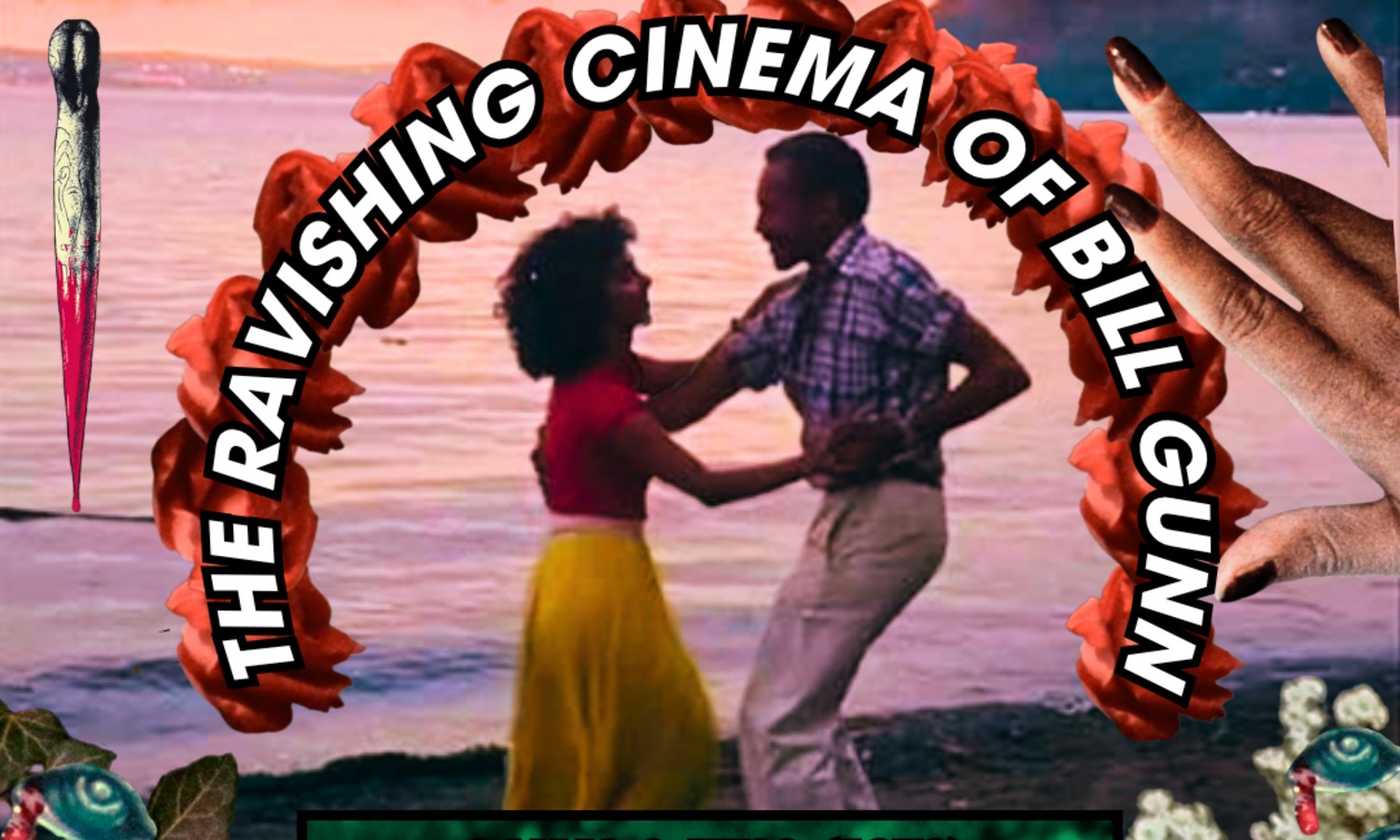
Please join Roxy Cinema in celebrating Bill Gunn (1929–1989), the inimitable playwright, novelist, actor, musician, and filmmaker whose work defies easy categorization. Whether writing, acting, or directing, Gunn infused his films with a spirit of playful experimentation, a sharp eye for social hierarchies, and a remarkable sensitivity to the tenderest of moments shared between people.
Gunn’s commitment to formal innovation repeatedly brought him into conflict with the conservative forces of commercial production. Now recognized as a pioneer of Black independent cinema, for decades Gunn struggled against Hollywood’s gatekeeping and institutional racism. Stop! (1970), intended to be his directorial debut, was shelved by Warner Bros. upon completion, reportedly over its explicit depictions of queer, interracial group sex. The film remains unreleased, circulating only in bootleg form. That same year, Gunn co-wrote two feature screenplays: Hal Ashby’s The Landlord, a razor-sharp satire of early gentrification in Park Slope, and Ján Kadár’s The Angel Levine, a lesser-seen urban fable starring Harry Belafonte as a Black Jewish angel sent to earth to earn his wings.
Gunn went on to direct Ganja & Hess (1973), a landmark of independent cinema that pushes the bounds of the vampire genre into a stylish, subversive love story and allegory for Blackness in America. His second (and last) directorial work, Personal Problems (1980), is a freewheeling and vivacious “experimental soap opera,” loosely depicting the daily life of a nurse in 1980s Harlem. The film stands as a stunning monument to semi-improvisation — the result of a singular collaboration between Gunn and writer Ishmael Reed. Finally, Gunn dazzles on-screen as a bohemian painter in Kathleen Collins’s Losing Ground (1983). His character spends the summer in a country house with his philosophy professor wife, whose research concerns “ecstatic experiences.” One of the earliest fiction features directed by a Black woman in the United States, Collins’s film remains a tender and ebullient portrait of a couple at a crossroads.
After decades of censorship and neglect, Gunn’s profound cinematic achievements are finally gaining widespread recognition. Bringing together 35mm prints and digital restorations, Roxy Cinema invites audiences to revel in these five singular works — at once incisive, unruly, and utterly ravishing.
Curated by Emily Rose Apter
Poster Design by Noel Barrera
PROGRAM:
Ganja & Hess — Bill Gunn, 1973, 113 min.
Flirting with the conventions of blaxploitation and horror, Bill Gunn’s revolutionary independent film Ganja & Hess is a highly stylized and utterly original treatise on sex, religion, and African American identity. Duane Jones stars as anthropologist Hess Green, who is stabbed with an ancient ceremonial dagger by his unstable assistant (Bill Gunn), bestowing upon him the blessing of immortality… and the curse of an unquenchable thirst for blood. When the assistant’s beautiful and outspoken wife Ganja (Marlene Clark) comes searching for her missing husband, she and Hess form an unexpected partnership. Together, they explore just how much power blood holds.
Personal Problems — Bill Gunn, 1980, 165 min.
This entirely African American-conceived and produced ensemble drama is the result of a collaboration of a pair of pioneering Black artists: writer Ishmael Reed and filmmaker Bill Gunn, who wrote and directed the underground classic Ganja & Hess and wrote the screenplay for Hal Ashby’s The Landlord. Originally intended to air on public television in 1980, it went unseen for many years; the original tapes have been carefully restored by Kino Lorber and the film is now available in its full-length version for the first time in decades!
The Landlord (35MM) — Hal Ashby, 1970, 11o min.
Written by visionary black filmmaker Bill Gunn and the first film of Oscar-winning director Hal Ashby, The Landlord is both a coming-of-age tale and a social satire. When wealthy, white Elger Winthrop Enders buys a tenement brownstone in pre-gentrified Park Slope Brooklyn, he plans to evict its predominantly Black residents. Instead, he becomes entangled in the lives of his tenants.
Losing Ground — Kathleen Collins, 1982, 86 min.
The inimitable Kathleen Collins’s second film tells the story of two remarkable people, married and hurtling toward a crossroads in their lives: Sara Rogers, a Black professor of philosophy, is embarking on an intellectual quest just as her painter husband, Victor, sets off on an exploration of joy. Victor decides to rent a country house away from the city, but the couple’s summer idyll becomes complicated by his involvement with a younger model. One of the very first fictional features by an African-American woman, LOSING GROUND remains a stunning and powerful work of art for being a funny, brilliant, and personal member of indie cinema canon.
The Angel Levine (35mm) — Ján Kadár, 1970, 104 min.
Between Harlem and Heaven, a Black Jewish angel (Harry Belafonte) appears to the elderly, impoverished Jewish tailor (Zero Mostel). After a long streak of bad luck, including his wife’s illness, Morris is skeptical of the angel’s mission to perform a miracle and earn his angelic wings in this imperfect world.
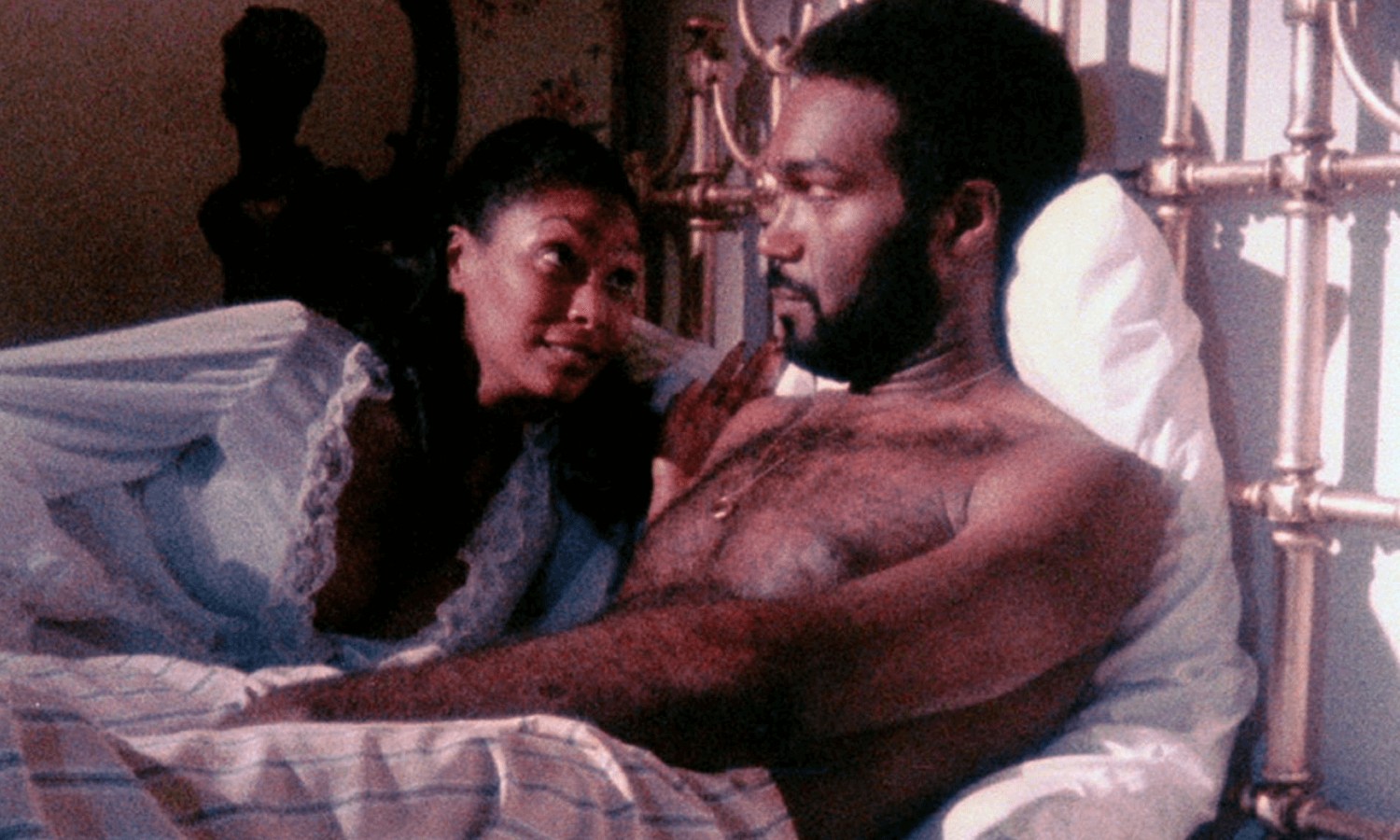
film still from Ganja & Hess (1973)
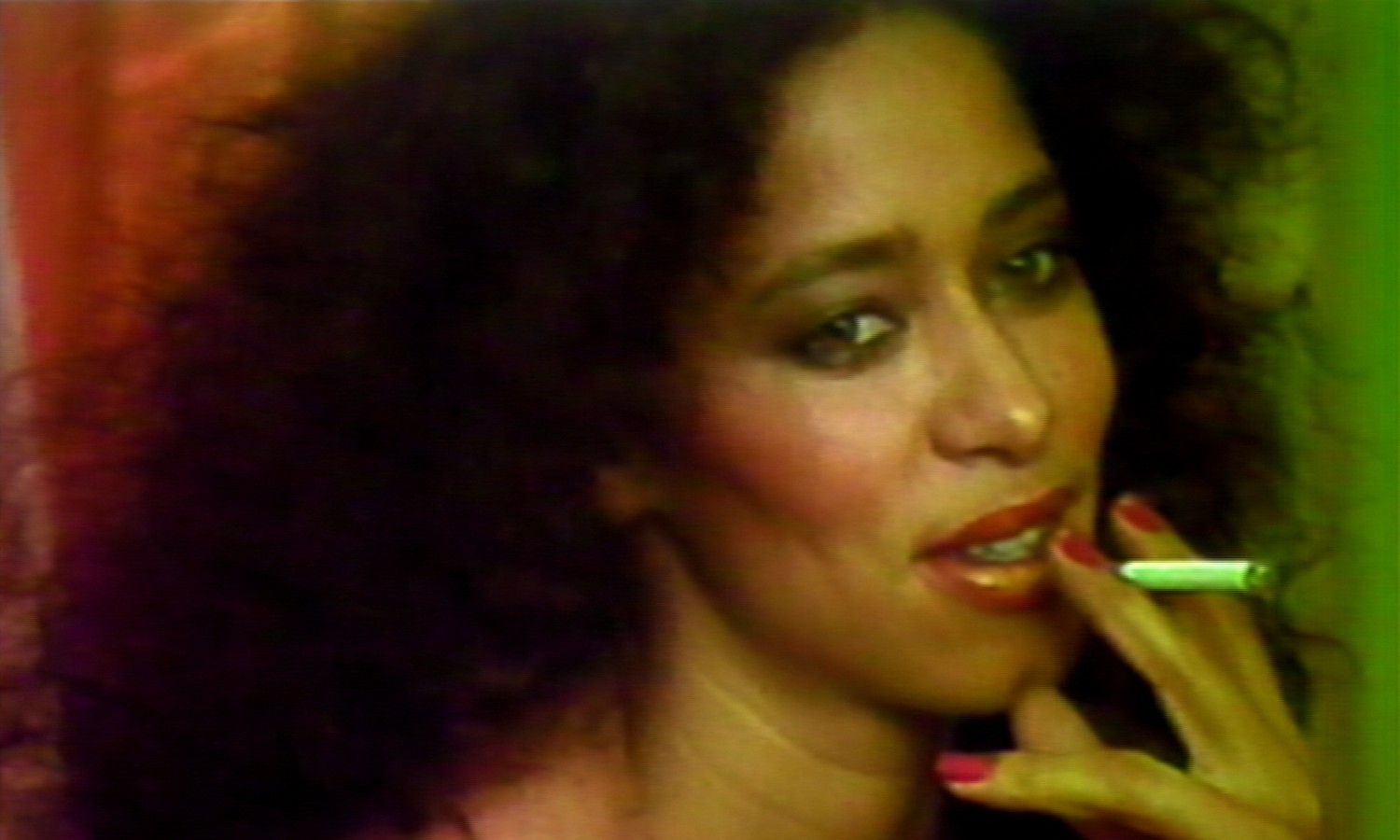
film still from Personal Problems (1980)
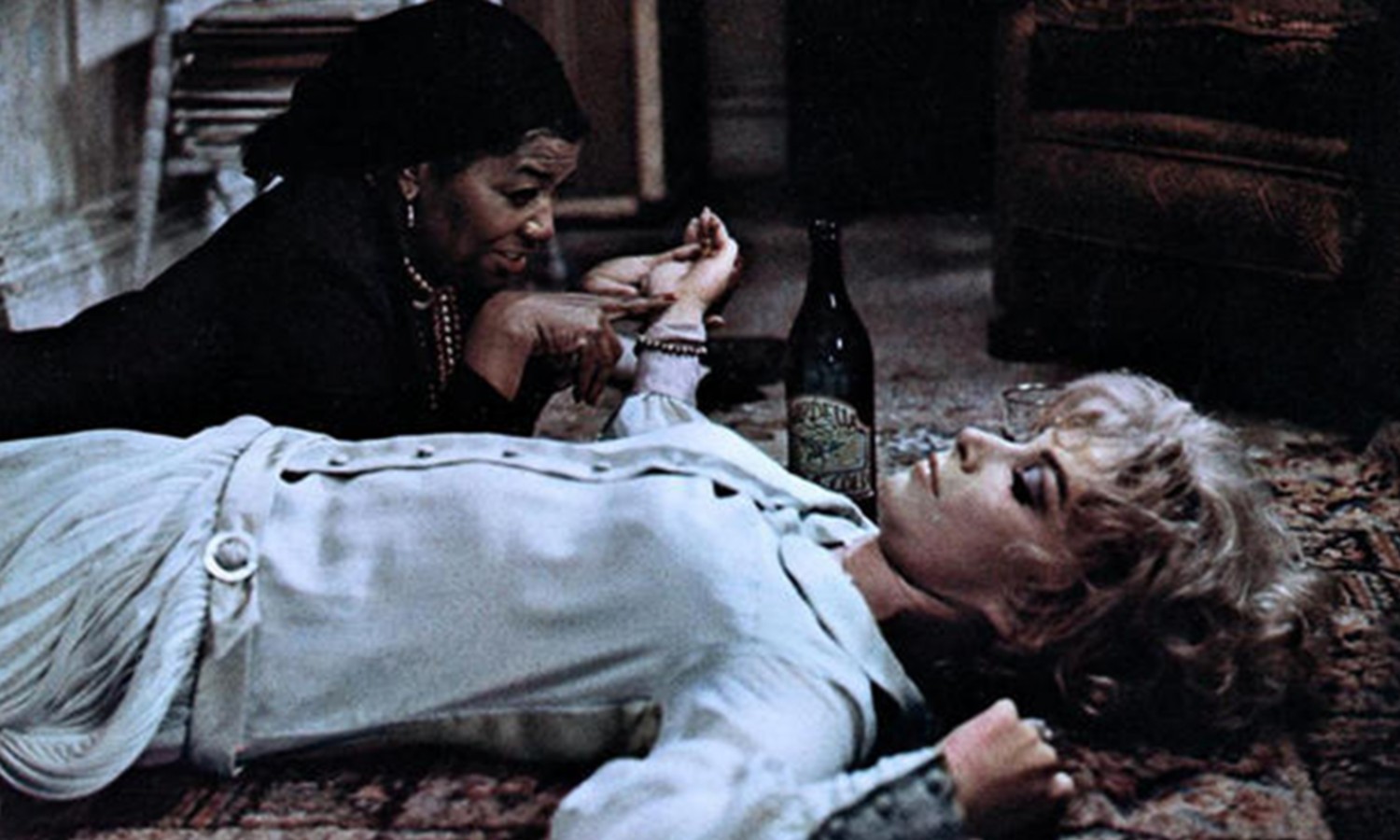
film still from The Landlord (1970)
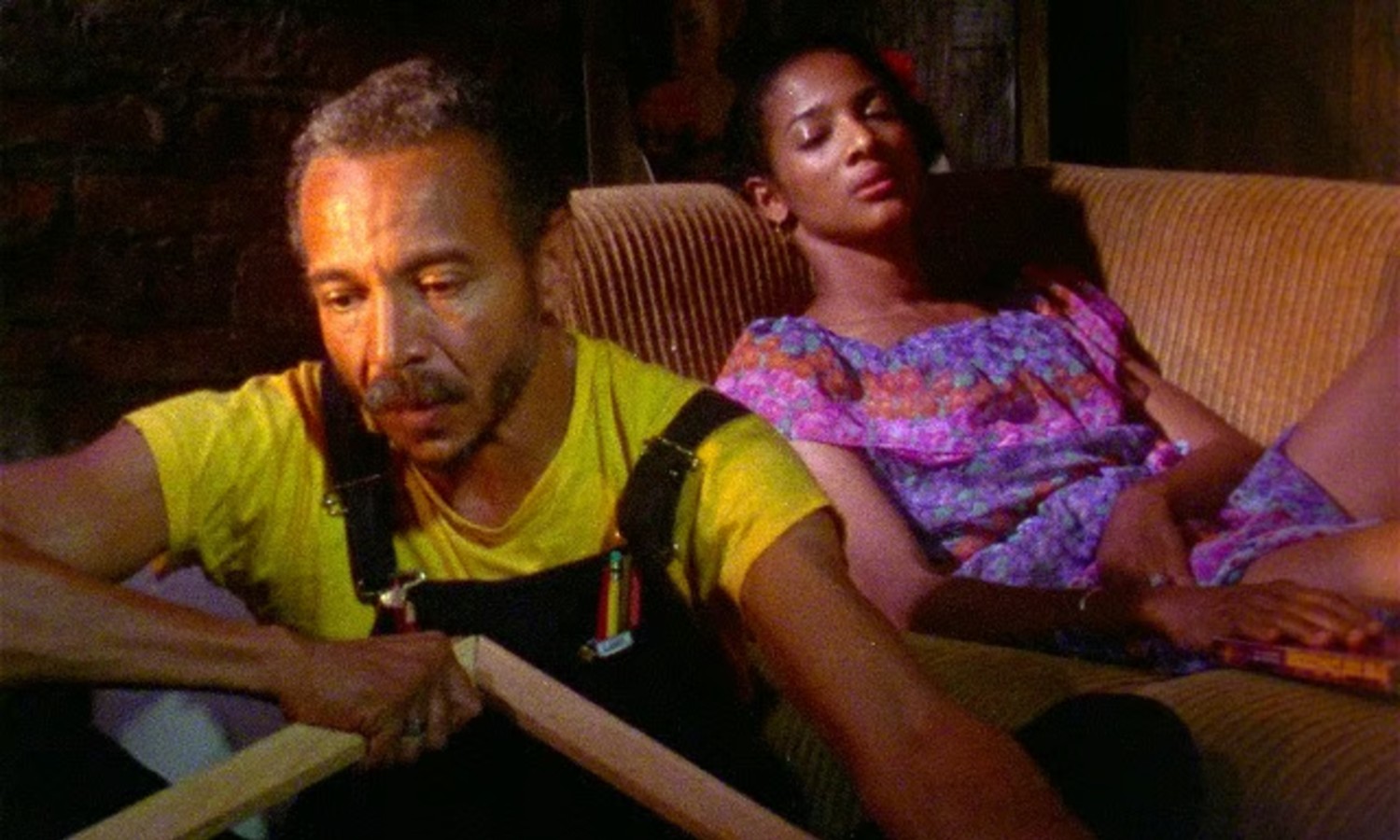
film still from Losing Ground (1982)
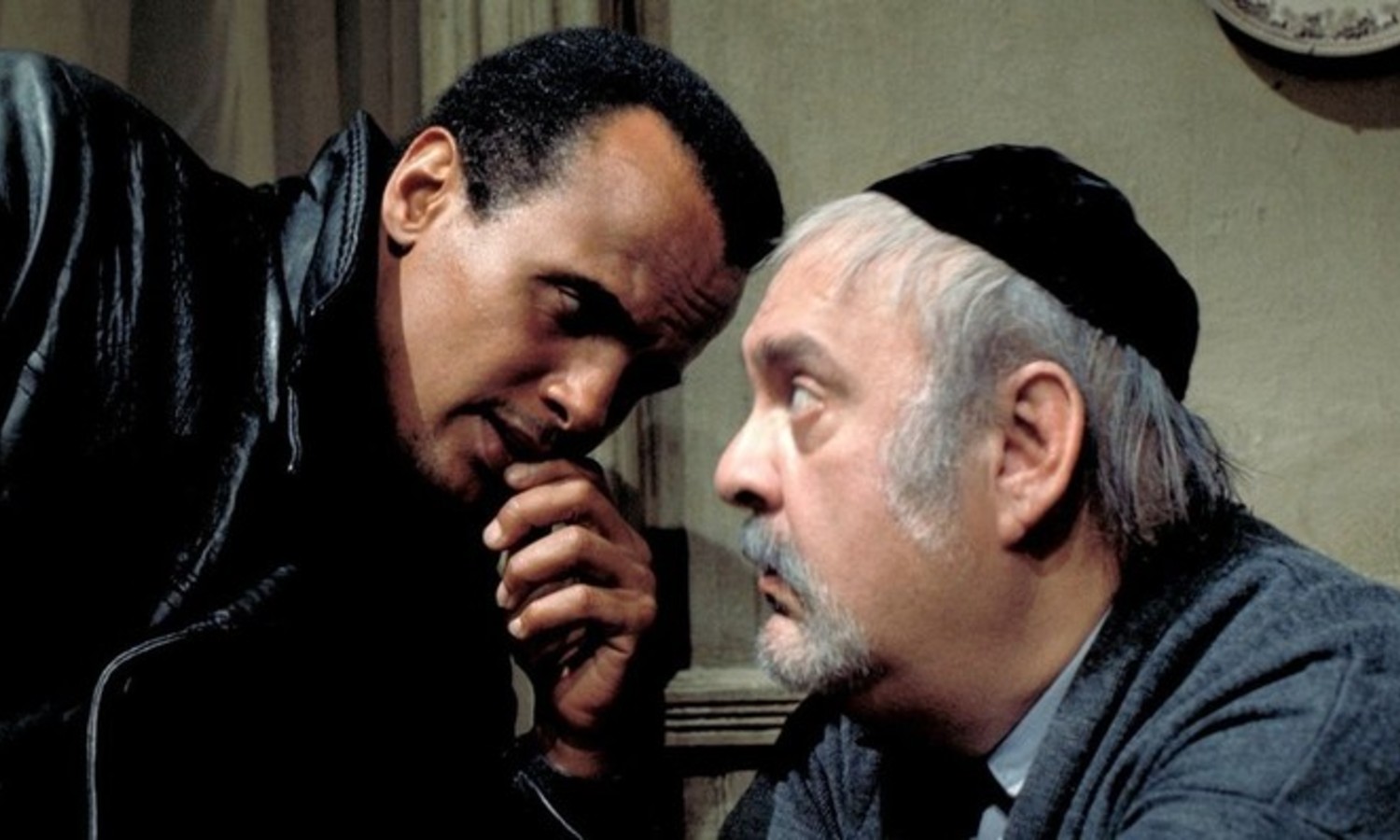
film still from The Angel Levine (1970)
You May Also Like

Screen Slate Presents: Psycho-Fiction, The Surreal Nightmares of Screaming Mad George
10.13.2026
Screen Slate and Roxy Cinema present a retrospective of work by special effects artist Screaming Mad George.
Read More
The Downtown Festival At Roxy Cinema New York
10.01.2026
The Downtown Festival Returns to Roxy Cinema for its third year Oct 9-18, 2026.
Read More
Four by James N. Kienitz Wilkins
09.28.2026
On the occasion of the release of The Misconceived (2026), Roxy Cinema presents four films by filmmaker James N. Kienitz Wilkins.
Read More