
Four by James N. Kienitz Wilkins
On the occasion of the release of The Misconceived (2026), Roxy Cinema presents four films by filmmaker James N. Kienitz Wilkins.
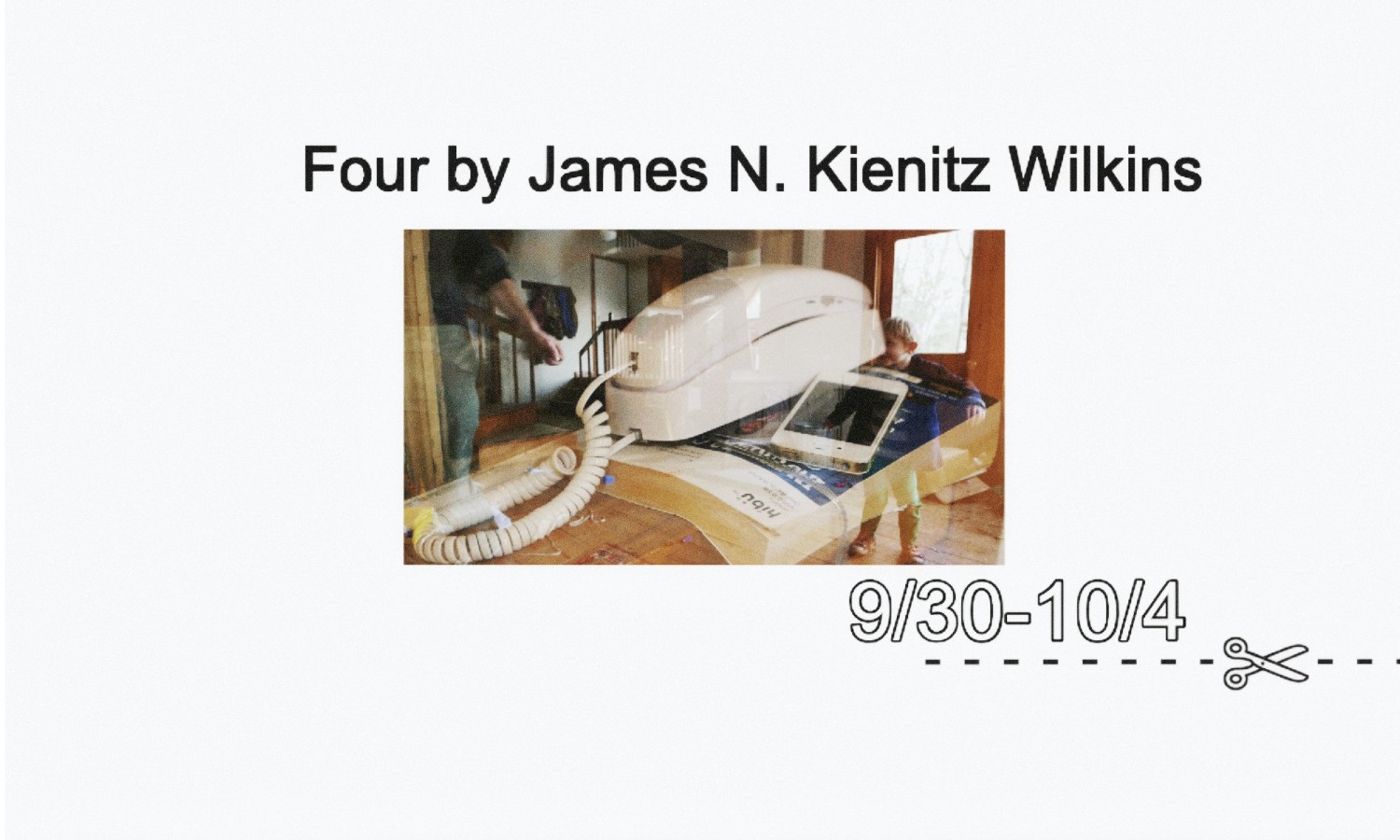
In a new piece “A Farewell to Flesh” in Filmmaker Magazine, filmmaker James N. Kienitz Wilkins reflects on his use of Motion-Capture (“mocap”), the cameraless 3D technology with which he “shot” his lates feature, The Misconceived (2026). In the experimentally rendered indie film, “seemingly realistic maain characters interface with toon-like antagonists” in a carnivalesque meditation on contemporary labor conditions. Kienitz Wilkins writes:
Fleshless filmmaking may seem like blasphemy, considering that, for many, the point of making movies is the pursuit of a sensual lifestyle, but filmmaking is actually the strangest, most quixotic, surprisingly physical and financially punishing art form imaginable. To be a filmmaker is to regularly mentally conceive, carry, and not always birth a project. And those that are born will all too soon require the exorbitant college tuition expense of sales and distribution. Unstable tools and capricious collaborators abound, as do predatory lenders operating within compromised infrastructure, all of which threatens to break down and collapse under the weight of desire and impossibility. The cherry on top is that so much human proof-of-life is ultimately reduced to a Blu-ray disc or a USB stick or a low-resolution stream of data on the internet, even if you’re Christopher Nolan.
PROGRAM:
The Misconceived (35MM) — 2026, 88 min.
The Misconceived is an experimental 3D-rendered feature and social satire developed from a screenplay co-written by Robin Schavoir and me, James Kienitz
Wilkins, the director and principal renderer of the rather technically complex project. It is a thematic follow-up (yet not sequel) to our previous collaboration, The Plagiarists (2019).
Structurally, The Misconceived is a chamber piece shot almost entirely in close-ups within a half-renovated farmhouse where a mystery of irresponsibility and theft unfolds over weeks and months. The movie depicts only “working hours” in an effort to explore the fragile, porous boundaries between employment and personal life.
Formally, the world and cinematography were built in the 3D video game engine, Unreal Engine. As a hybrid between 3D animation and “indie” film, The Misconceived takes full advantage of the new ability to shoot in virtual worlds utilizing motion capture, facial capture, and a marketplace of 3D architectural and character models to create an uncanny mirror to contemporary society (notably, not using generative AI), and produce a truly independent, feature-length movie no traditional film companies were willing to support. In many ways, the movie is an argument for and against its right to exist.
— JNKW
Still Film — 2023, 72 min.
The basis of Still Film is a fictional audio deposition of a “non-party witness” who testifies to the past forty years of cinematic exposure (a period aligned with my lifetime), with promises made and broken. The multi-generational characters include the witness, the lawyers, and the recordist. While no character is specifically me, all are performed in voiceover by me, addressing memories, biographical details, conspiracy theories, and ideas I’ve wrestled with for years. The script has been written as if an actual legal deposition.
The visuals are 35mm publicity stills from Hollywood movie press kits: a “carousel” of 140 slides chosen from the hundreds I’ve collected since 2019 that hold some associative meaning, however arbitrary, in my memory. Publicity stills are distributed by film studios to promote upcoming releases. 35mm film transparency slides were the standard until the early 2000s, when digital press kits took over (a turning point that happens to align with my legal coming-of-age). As objects, each are unique photographic prints subject to the ravages of time and handling, now preserved through scanning into 4K digital cinema.
— JNKW
The Plagiarists — 2019, 76 min.
Written by James N. Kienitz Wilkins and Robin Schavoir, The Plagiarists is a dramatic comedy about the clash of money and culture, reality and desire, race and identity. It’s a social satire about who has the privilege to say what in today’s world. It was conceived as a playful critique of the mannerisms of “indie film” used by aspiring filmmakers to denote authenticity of performance, often resulting in the casual perpetuation of stereotypes.
The Plagiarists is at once the thing it mimics: a completely independent micro-budget feature shot entirely on vintage news cameras from the 1980s, despite a contemporary subject matter. The camera cited in the story is also the production camera, recording on real Betacam SP videotape (sourced from eBay) to create a visual style reflecting the internal debate over obsolescence, nostalgia, and the heavy weight of originality. More about the history of Betacam SP can be found here:
http://www.museum.tv/eotv/betacam.htm
True to the truncated name of the character CLIP, the actor playing him (Michael “Clip” Payne from Parliament-Funkadelic / P-Funk collective), was taped separately from the other actors and never once shares frame with another character. The opposite effect is achieved during the character ALLISON’s scenes, shot multi-camera “sitcom” style with two cameras.
— JNKW
Common Carrier — 2017, 78 min.
At its simplest, Common Carrier is my attempt to interpret what it means to create (and be created and alive) in the year 2016. The movie tracks a small network of artists or those associated with artists, all linked by the common connection of me, the filmmaker.
The movie weaves scripted performances by real people playing versions of themselves with intimate conversations about art making, labor, technology, and life. The layered images and sounds—inspired to an extent by my interest in visual techniques developed in early Modernist art—contrast with the technologies and unavoidable airwaves of the 21st century to become what I consider a fair use cinematic “mixtape”. It was my goal to reflect our multifaceted contemporary world where there is no one right way to look or listen: we are perpetually barraged by a sea of information, histories, and the promises of absolute connection, while remaining fundamentally alone.
— JNKW
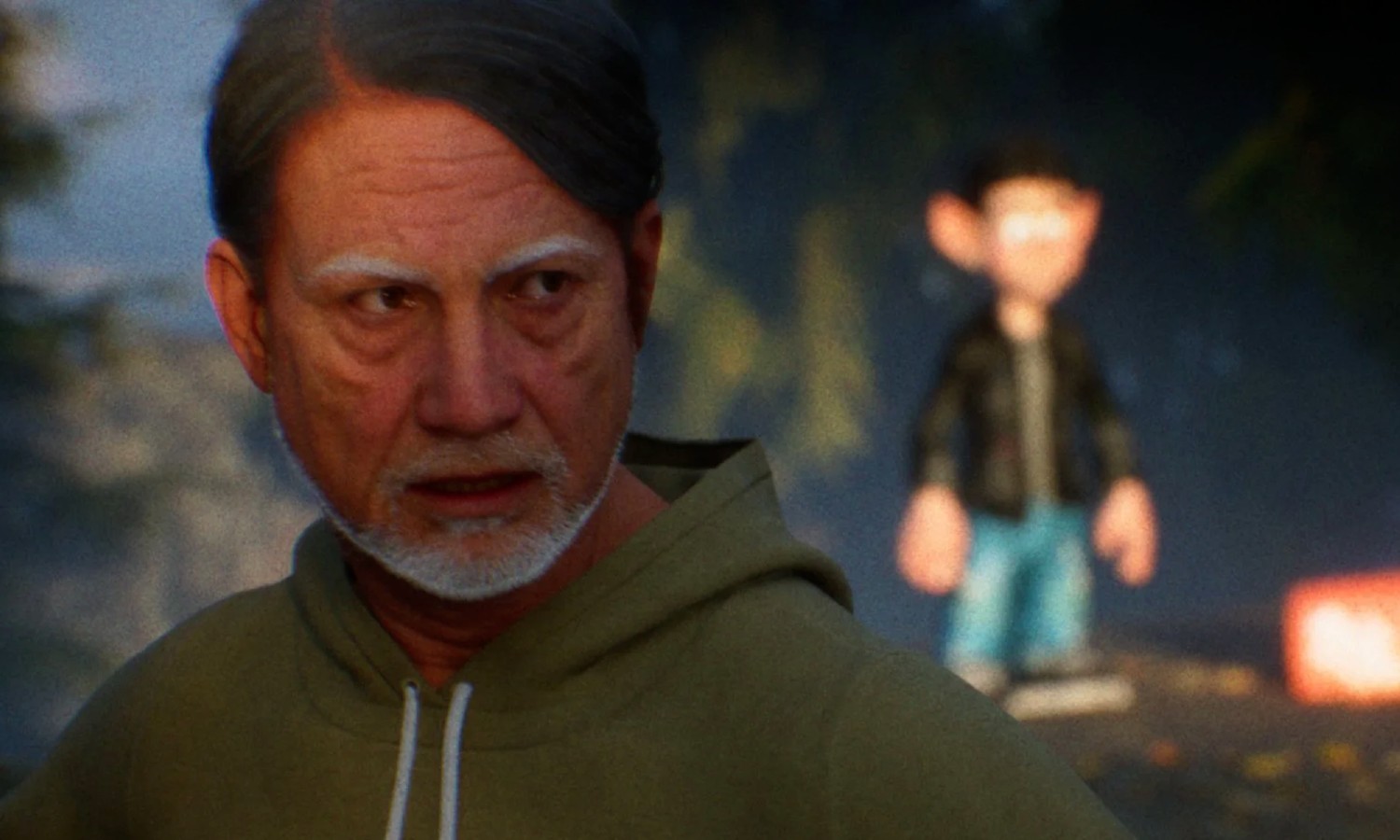
film still from The Misconceived
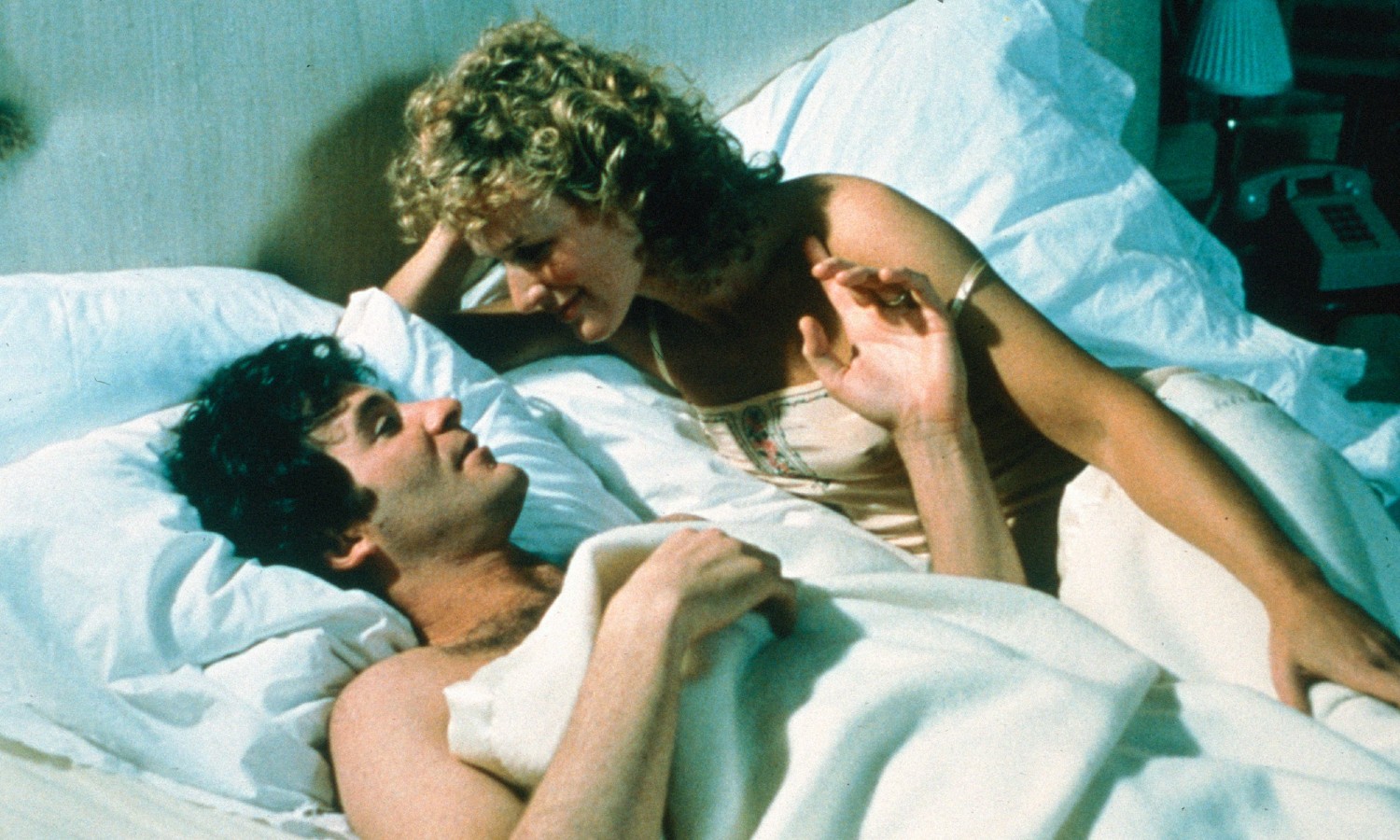
film still from Still Film
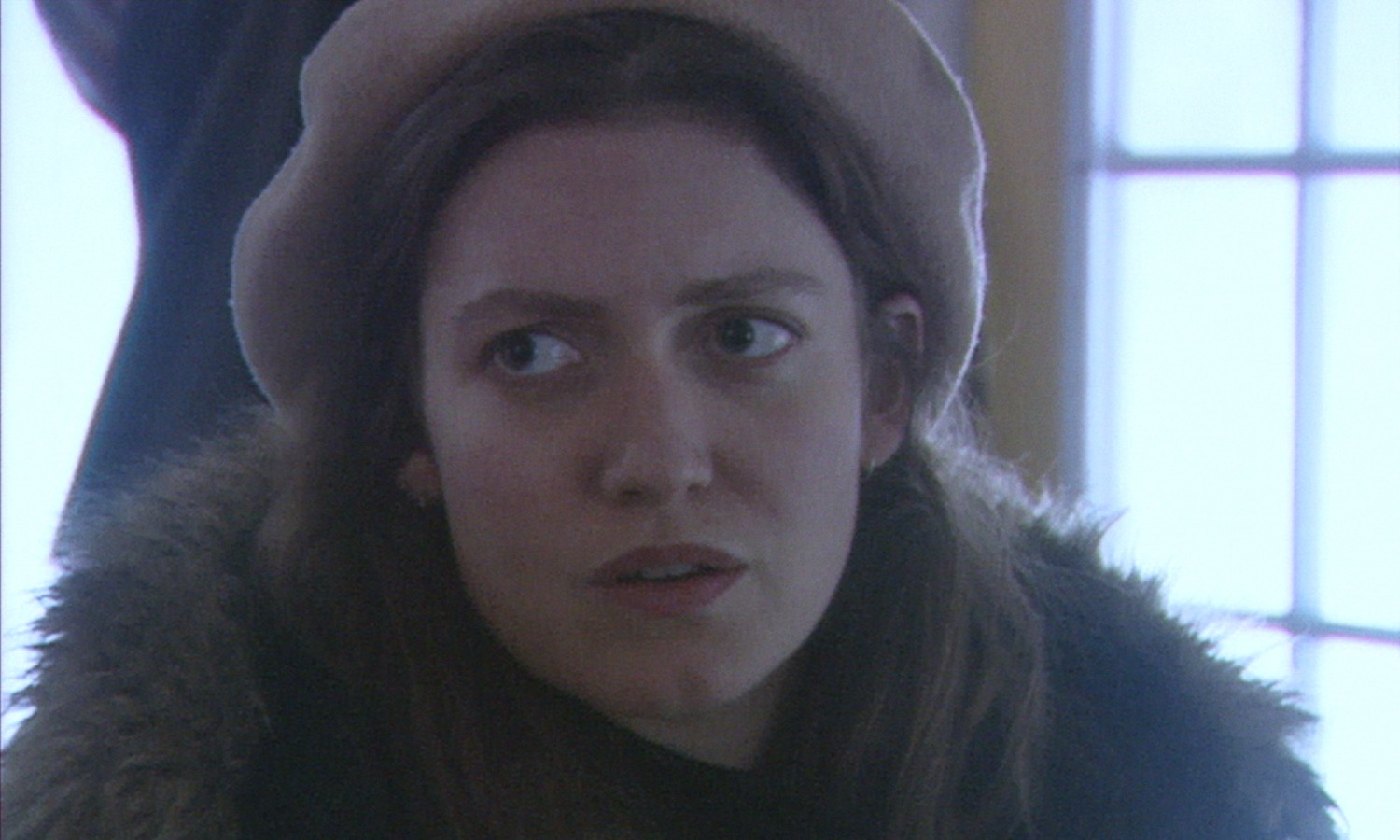
film still from The Plagiarists
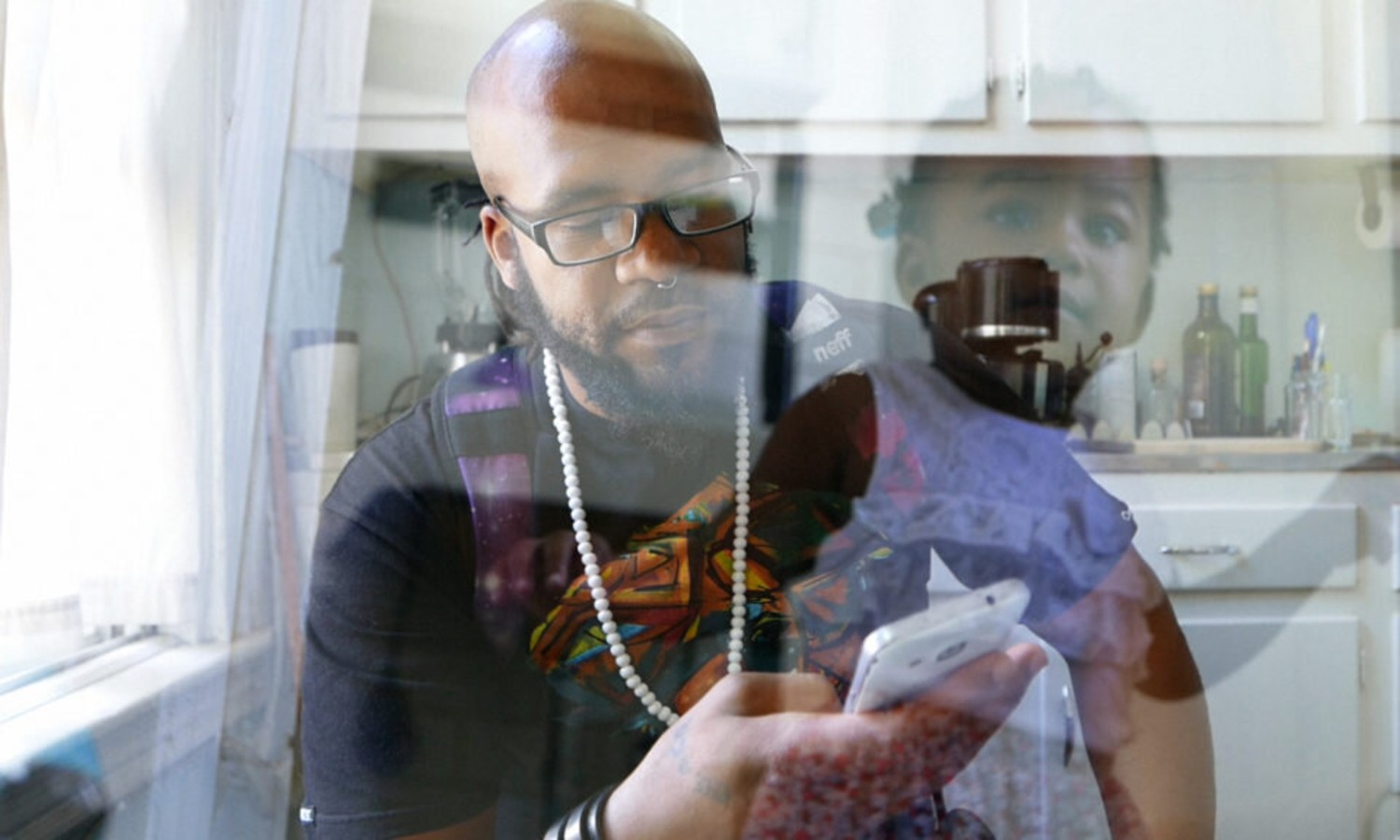
film still from Common Carrier
You May Also Like

Rick Prelinger's Lost Landscapes
09.17.2026
Roxy Cinema welcomes legendary archivist/filmmaker Rick Prelinger to present his participatory city symphony, LOST LANDSCAPES, for two special evenings this September and October.
Read More
JT Selects: Club Films - Movies that Inspired Club Cheetah
09.05.2026
Four club films as chosen by JT in anticipation of her upcoming album, Club Cheetah.
Read More
Roxane Mesquida @ Roxy Cinema!
09.03.2026
On the occasion of the release Her Will Be Done (2026), Roxy Cinema present four films featuring French actress, Roxane Mesquida.
Read More