
Infinite Scroll To Hell
Filmmaker Daniel Goldhaber curates a cyber horror film series alongside two of his own films.
This June, Roxy Cinema welcomes filmmaker Daniel Goldhaber, who released his latest film, Faces of Death, this year. He’s curated a special cyber horror film series alongside two of his works, Cam (2018) and Faces of Death (2026), both presented in 35mm. Roxy Cinema also sat down with the filmmaker ahead of the series to get his thoughts on technology-based horror, keeping pace with culture, and the connection between his chosen films.
_______
What was the central idea behind programming this cyber horror series, and what connections do you see between these films?
Cinematically representing the internet is a challenge that offers endless opportunities to re-invent the cinematic form. I wanted to program a handful of movies inspired my own approach to representing digital life, but that also showcased the ways this language has evolved over the last 15 years.
You selected Unfriended, Spree, The Girl with the Dragon Tattoo, and your own films Cam and Faces of Death. What does each film contribute to the conversation about technology and fear?
How has cyber horror evolved alongside the internet itself? Are today’s anxieties fundamentally different from the ones filmmakers were exploring a decade ago?
The core of the evolution has been that the dangers of the digital world were initially abstract –– now they are real. What was once conceptualized by the supernatural demons of CAM and Unfriended has become the grounded terrors of Spree and Faces of Death. We have willfully allowed our social reality to become disrupted, privatized, and manipulated. We are reaping the all-too real consequences of that decision.
Many of these films deal with identity, performance, and surveillance. Why do those themes feel so central to digital life?
Looking back on Cam, what aspects of the film feel even more relevant now than when it was released?
The original Faces of Death became infamous because audiences weren’t always sure what was real. Today we live in a world of deepfakes, viral misinformation, and endless online content. Did that reality influence your approach to the film?
What makes technology-based horror effective? Why do stories about screens, platforms, and online spaces continue to resonate with audiences?
Do you think filmmakers are keeping pace with how quickly internet culture changes, or is cinema often playing catch-up?
Mainstream theatrical cinema is 100% playing catch-up. The industry moves far too slow to keep pace with the evolution of media, culture, and technology online. An example of this is that we initially developed the concept of Faces of Death in 2019. Not dissimilar from how CAM was speaking to an emotional reality that later became a manifested one, Faces of Death was responding to the ways in which the recommendation algorithm seemed primed to propagate real-world violence. But even in the time between when the movie was finished (2024) and when it was released (2026), the nature of disinformation online had completely changed –– shifting from genuine portrayals of violence to artificial recreations of it. While the movie functions as a fascinating period piece in the contemporary eco-system, it was unfortunately also completely out of date.
What current technology or online behavior do you think is ripe for exploration in the next generation of cyber horror films?
Which filmmakers have most influenced your approach to technology-focused storytelling?
Has the internet become a more effective source of horror than supernatural monsters because it’s something we interact with every day?
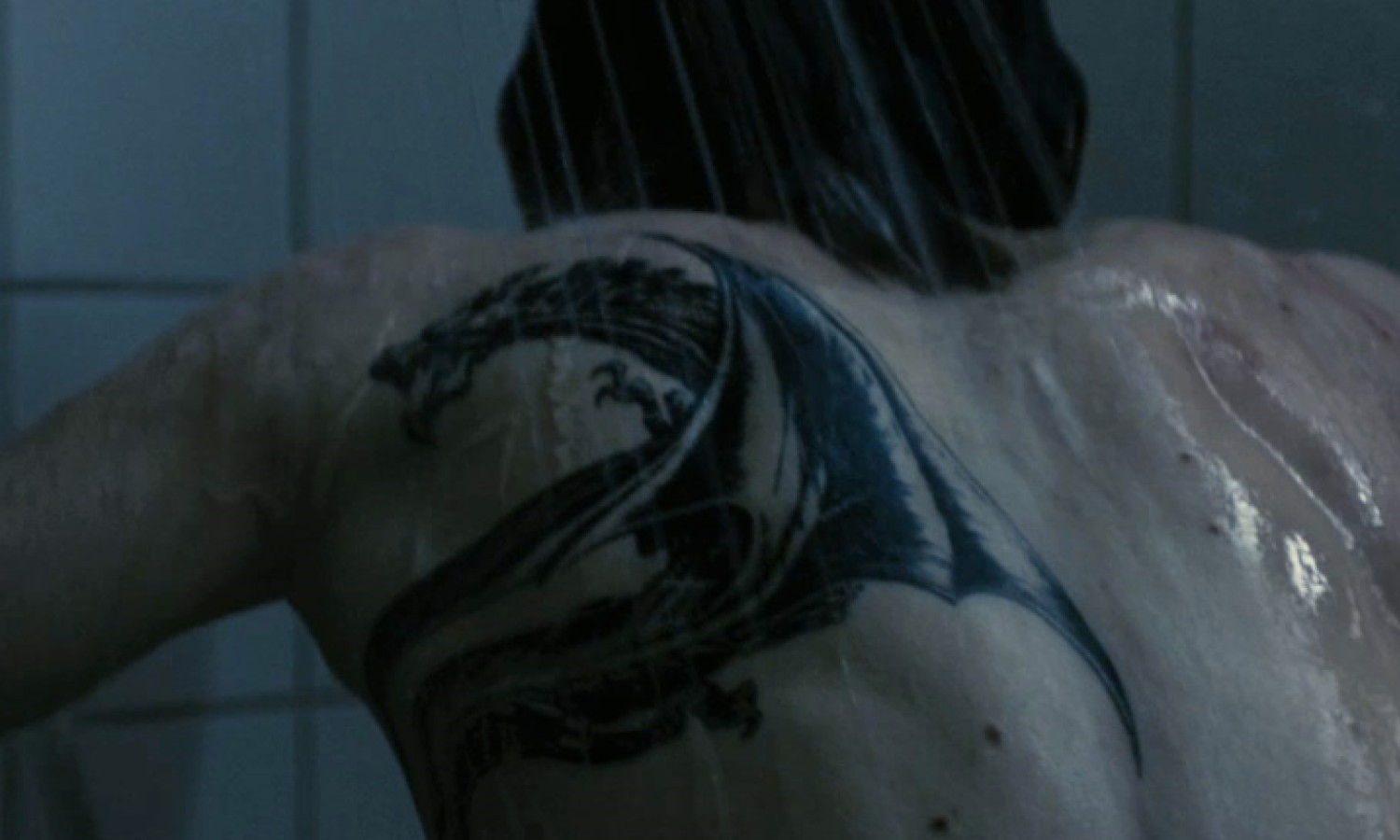
Film still from The Girl with the Dragon Tattoo
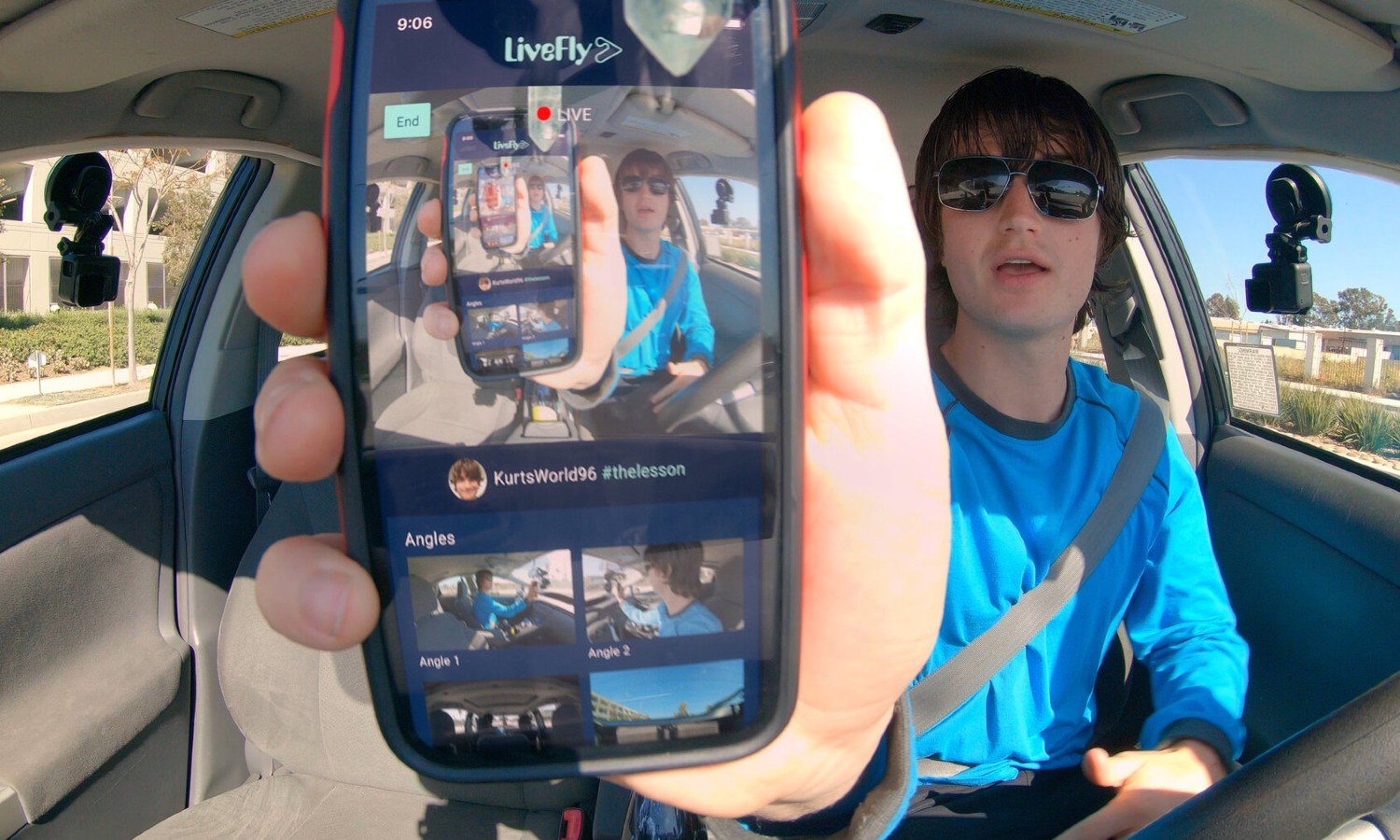
Film still from Spree
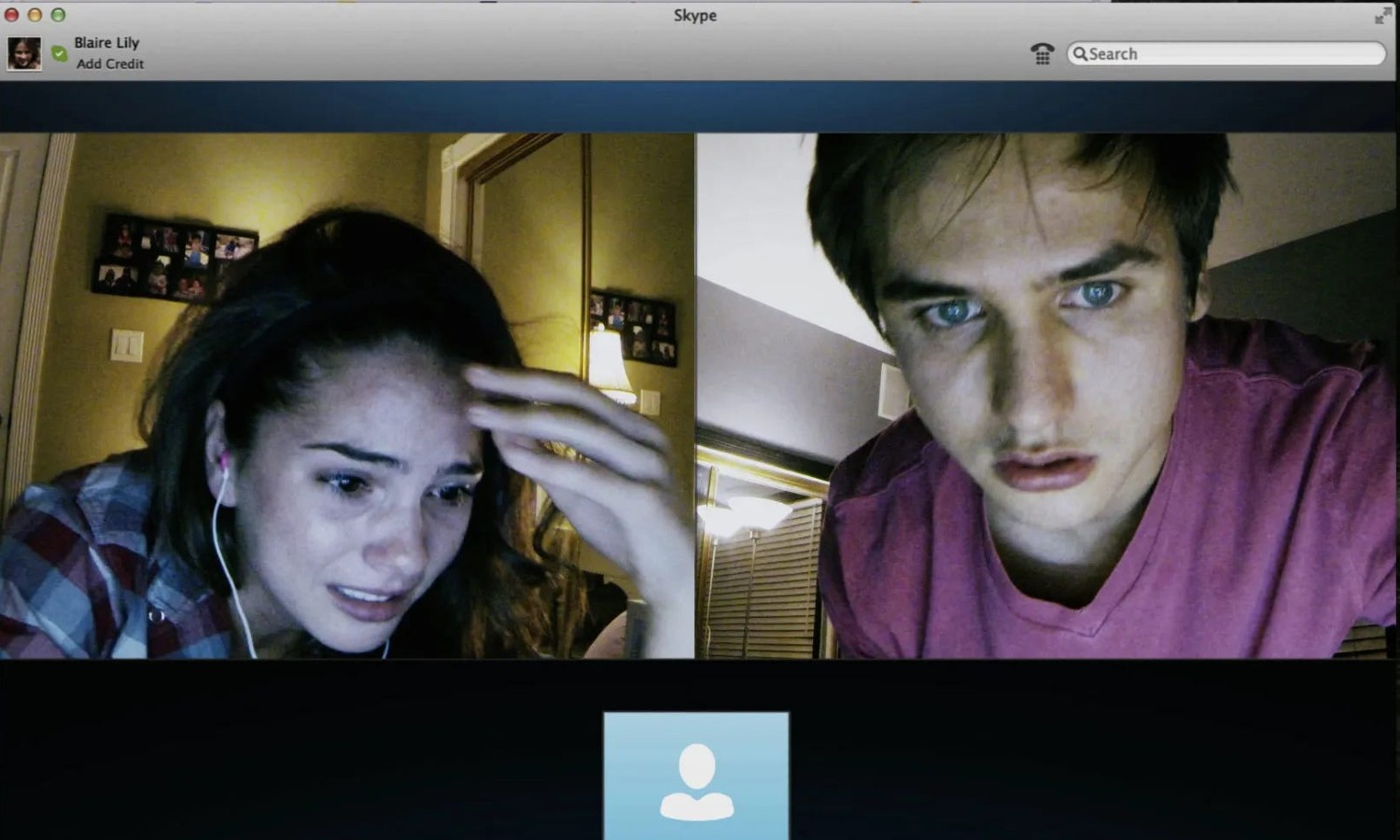
Film still from Unfriended
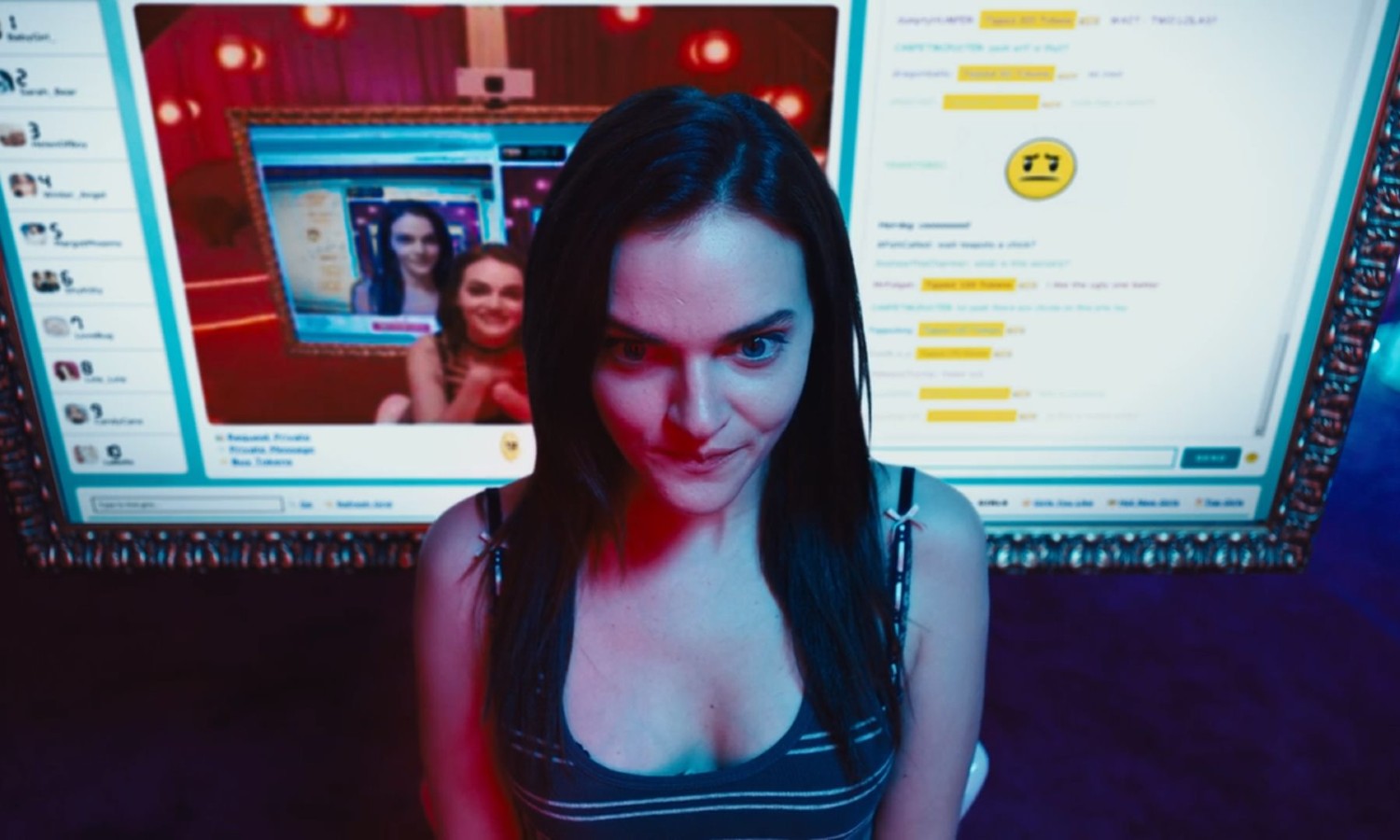
Film still from Cam
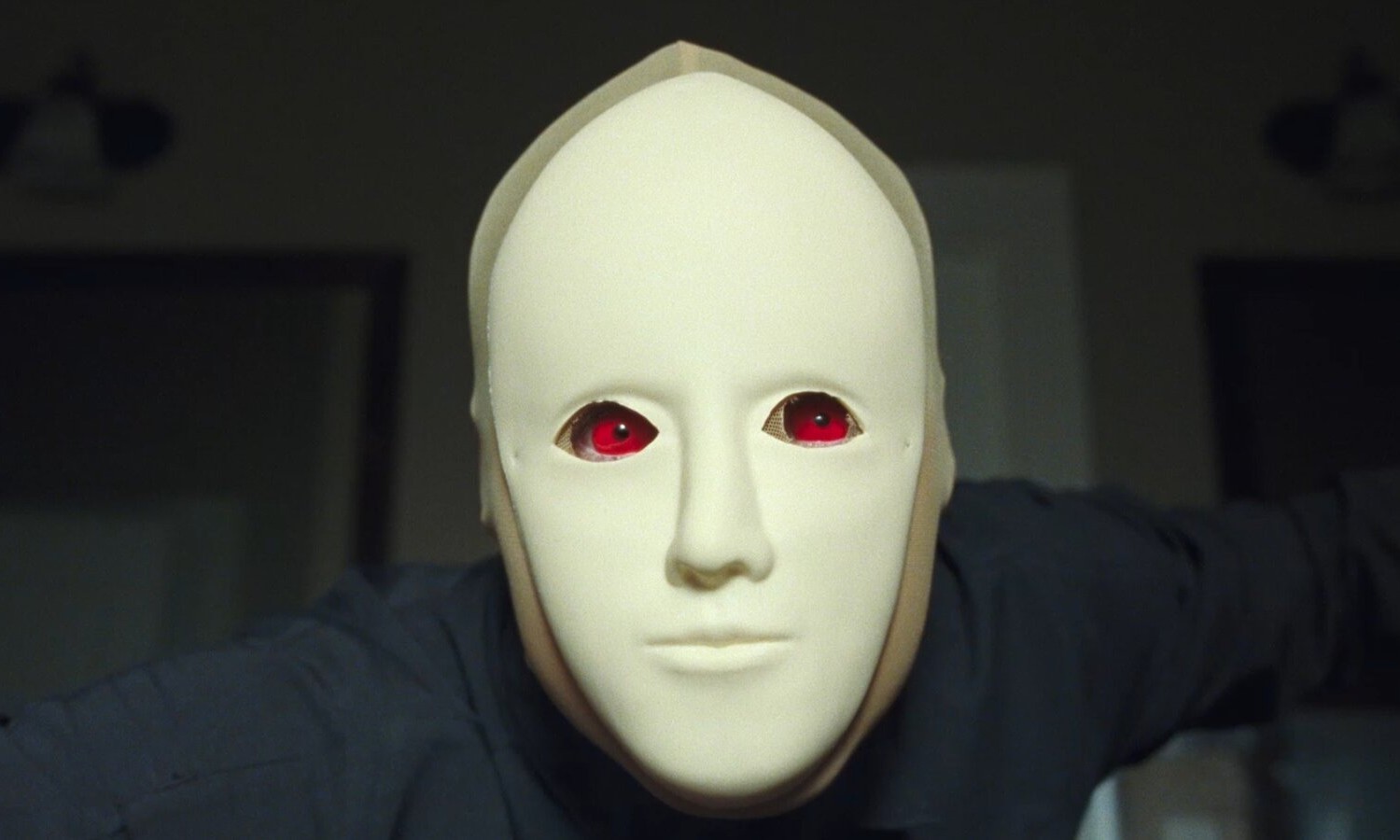
Film still from Faces of Death
You May Also Like

Rick Prelinger's Lost Landscapes
09.17.2026
Roxy Cinema welcomes legendary archivist/filmmaker Rick Prelinger to present his participatory city symphony, LOST LANDSCAPES, for two special evenings this September and October.
Read More
JT Selects: Club Films - Movies that Inspired Club Cheetah
09.05.2026
Four club films as chosen by JT in anticipation of her upcoming album, Club Cheetah.
Read More
Roxane Mesquida @ Roxy Cinema!
09.03.2026
On the occasion of the release Her Will Be Done (2026), Roxy Cinema present four films featuring French actress, Roxane Mesquida.
Read More