
Rebel: The Cinema Of Nicholas Ray
This July, Roxy Cinema examines the work of Nicholas Ray, one of American Cinema’s most influential and uncompromising directors.
Nobody made movies quite like Nicholas Ray. “I was interested in the dignity of imperfection.”
His films are full of people who don’t know where they belong—teenagers who feel trapped, gangsters looking for a way out, lovers convinced they can outrun fate, cowboys discovering the West they believed in has already disappeared. They ache, they lash out, they fall in love too quickly, they make terrible decisions. Ray loved people at their messiest, and he filmed them with a generosity that still feels radical.
Working across noir, westerns, melodramas and social dramas, Ray never really cared about genre as much as emotion. Every movie seems to be searching for the same thing: connection in a world that’s constantly pulling people apart. It’s why his work has remained a touchstone for generations of filmmakers and why it still feels startlingly contemporary.
This summer, Rebel brings together eight of his greatest films—a chance to experience one of American cinema’s most passionate, romantic and emotionally fearless directors where he belongs: on the big screen.
They Live by Night (1948)
One of the greatest directorial debuts in American cinema opens the series. Bowie (Farley Granger) is a young escaped convict. Keechie (Cathy O’Donnell) is the woman he meets while running from the law. Their dream of an ordinary life together never quite stands a chance, but Ray fills every stolen moment with so much tenderness that the tragedy feels inevitable from the first frame. It’s a lovers-on-the-run movie that still feels impossibly fresh, setting the emotional template for everything from Bonnie and Clyde to Badlands.
Buy tickets HERE
In a Lonely Place (1950)
If you only know Humphrey Bogart as the cool private eye, this film will come as a shock. Here he’s Dixon Steele, a gifted screenwriter whose charm and volatility make him both magnetic and terrifying. What begins as a murder mystery slowly reveals itself to be one of the saddest love stories Hollywood ever produced. Ray strips noir down to its emotional core, making the real mystery whether love can survive fear.
Buy tickets HERE
On Dangerous Ground (1951)
One of Ray’s strangest and most moving films begins like a hard-boiled police thriller before quietly transforming into something altogether different. Robert Ryan plays a detective consumed by anger who finds himself investigating a murder in the snowy countryside, where violence gradually gives way to compassion. Few films pivot so unexpectedly—or so beautifully.
Buy tickets HERE
The Lusty Men (1952)
The rodeo becomes the setting for one of Ray’s richest films about ambition, masculinity and the myths Americans tell themselves. Robert Mitchum gives one of his finest performances as an ageing cowboy watching a younger generation chase the glory he knows comes at a steep price. Like the best of Ray’s work, it’s less interested in heroes than in what happens after the cheering stops.
Buy tickets HERE
Johnny Guitar (1954)
No movie in this series is stranger—or more thrilling. A western in name only, Johnny Guitar is an explosion of colour, desire and barely suppressed rage. Joan Crawford and Mercedes McCambridge wage psychological warfare while saloons burn and allegiances shift. Once dismissed as excessive, it’s now recognized as one of the boldest films ever to come out of Hollywood, and seeing its saturated Trucolor palette projected is reason enough to come.
Buy tickets HERE
Rebel Without a Cause (1955)
The title may have become shorthand for teenage angst, but the film itself remains startlingly compassionate. James Dean’s Jim Stark isn’t rebelling for rebellion’s sake—he’s looking for understanding in a world where every adult seems to have forgotten how to listen. Few studio films have captured the emotional intensity of adolescence with such honesty. Decades later, its heartbreak still lands with full force.
Buy tickets HERE
Bigger Than Life (1956)
Perhaps Ray’s most frightening film because it never announces itself as one. What starts as a suburban family drama gradually becomes something closer to horror, as James Mason’s schoolteacher undergoes a terrifying psychological transformation after being prescribed cortisone. Beneath its CinemaScope surfaces lies one of the sharpest critiques of postwar American conformity ever put on film.
Buy tickets HERE
Party Girl (1958)
Ray’s final Hollywood masterpiece is also one of his most underrated. A gangster movie dressed in spectacular MGM colour, it follows a mob lawyer who begins imagining a different life after falling for a dancer. Every frame is impossibly elegant, but beneath the glamour is another quintessential Ray story about people trying to escape the roles they’ve been assigned.
Buy tickets HERE
Ray once said that all his films were, in one way or another, about “the man who couldn’t go home again.” Whether they’re noirs, westerns or melodramas, his characters are always searching for somewhere—or someone—they can finally belong.
That’s what makes these films endure. They’re romantic without being sentimental, stylish without ever feeling distant, and deeply sympathetic to people trying, however imperfectly, to find their place in the world.
We hope you’ll join us for Rebel, and discover—or rediscover—one of American cinema’s greatest filmmakers on the big screen.
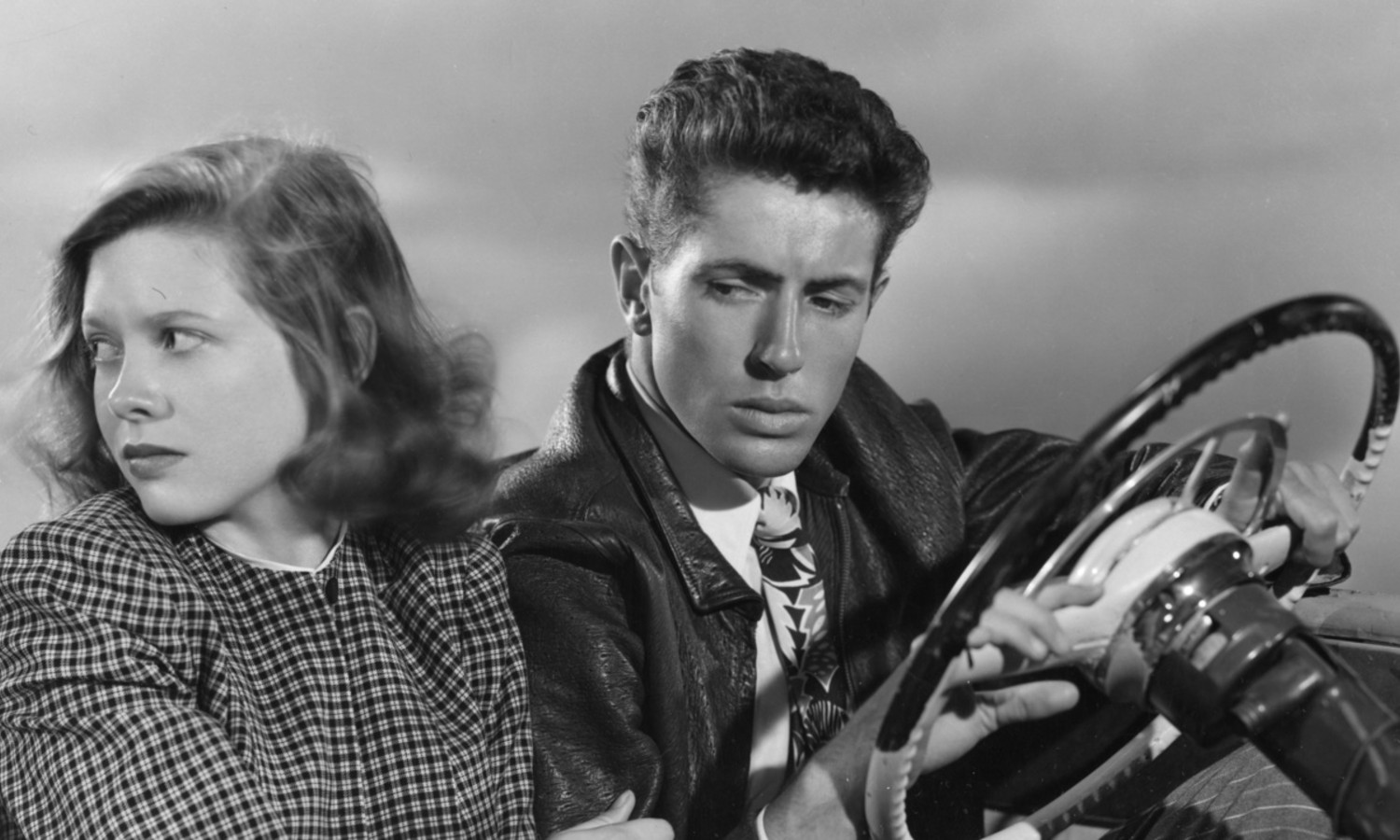
Film still from They Live By Night.
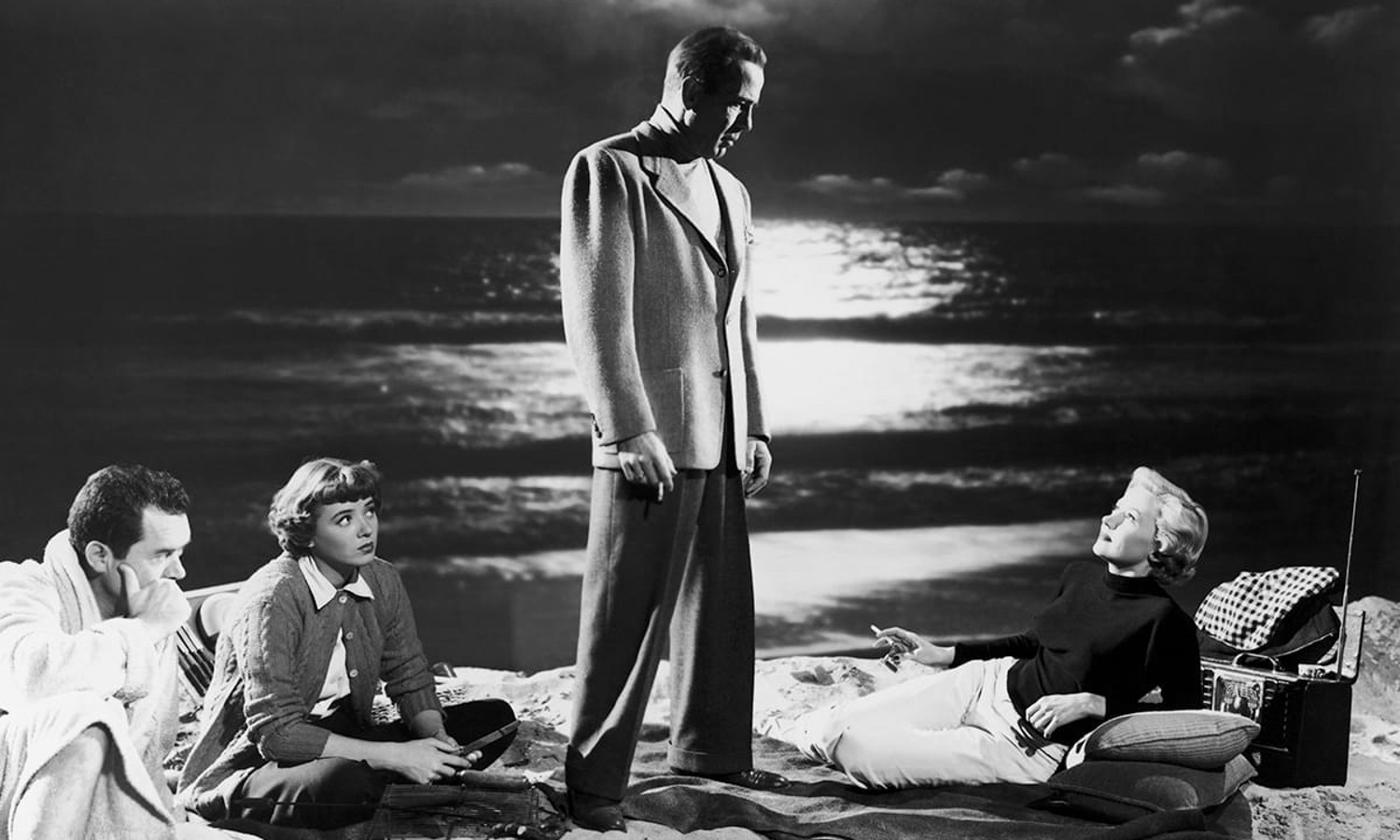
Film still from In a Lonely Place.
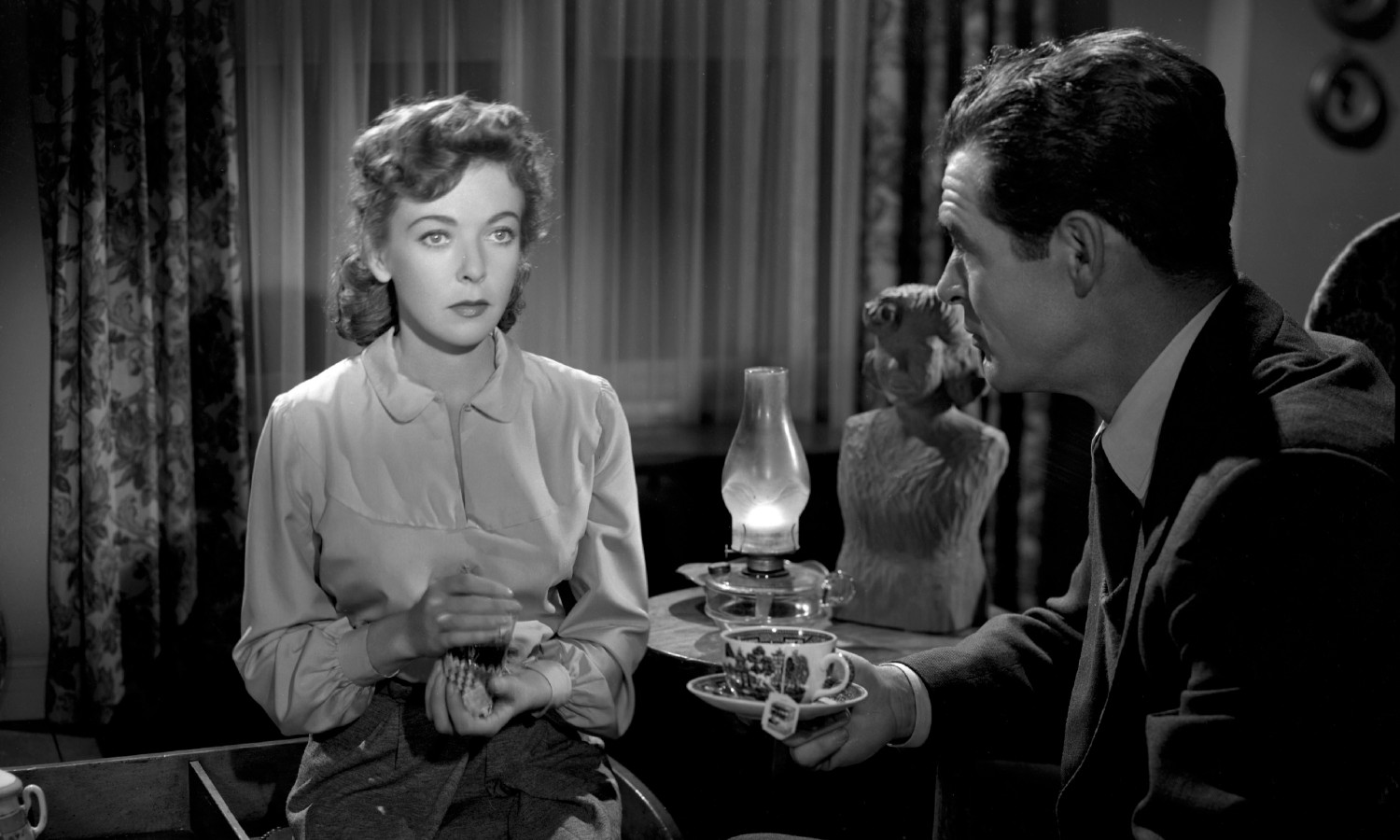
Film still from On Dangerous Ground.
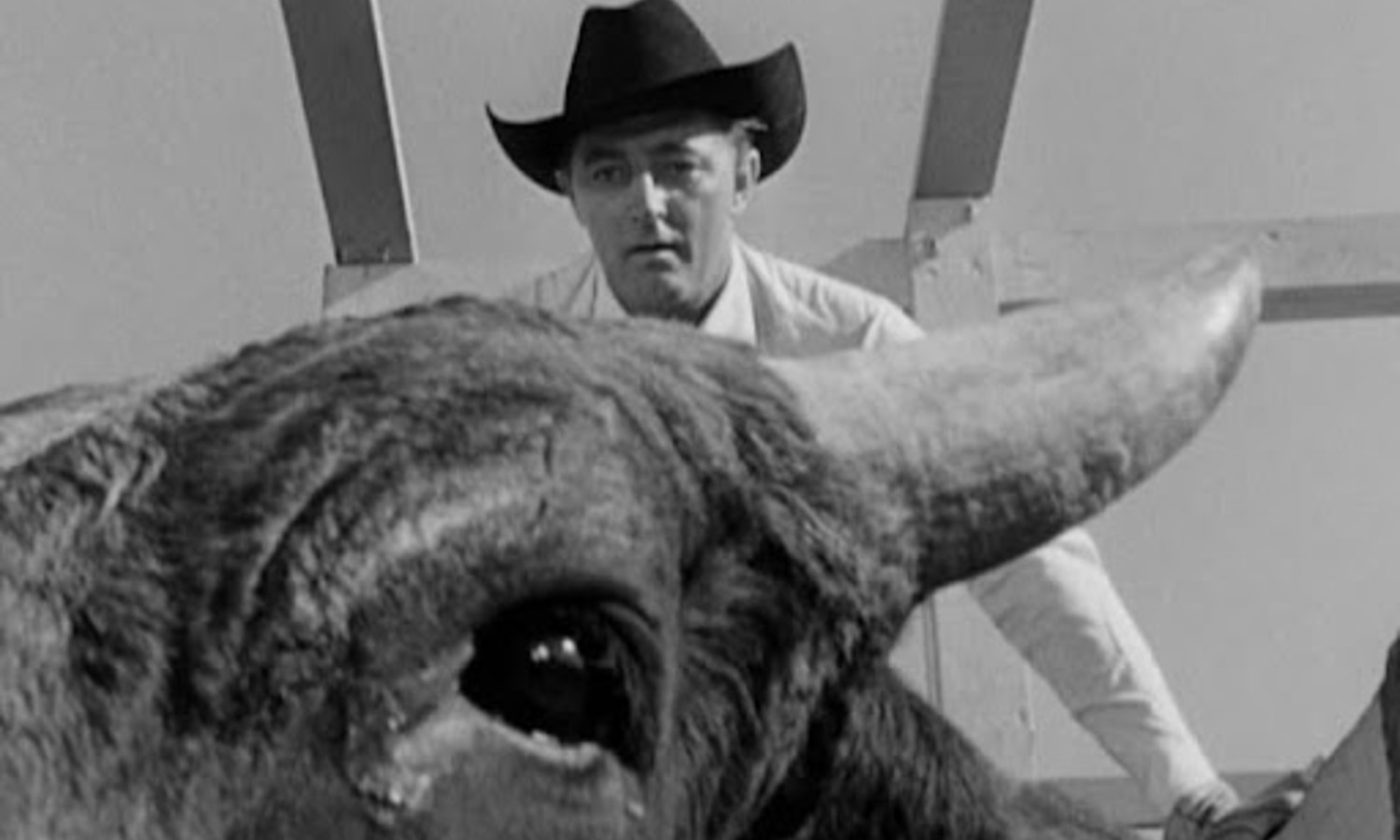
Film still from The Lusty Men.
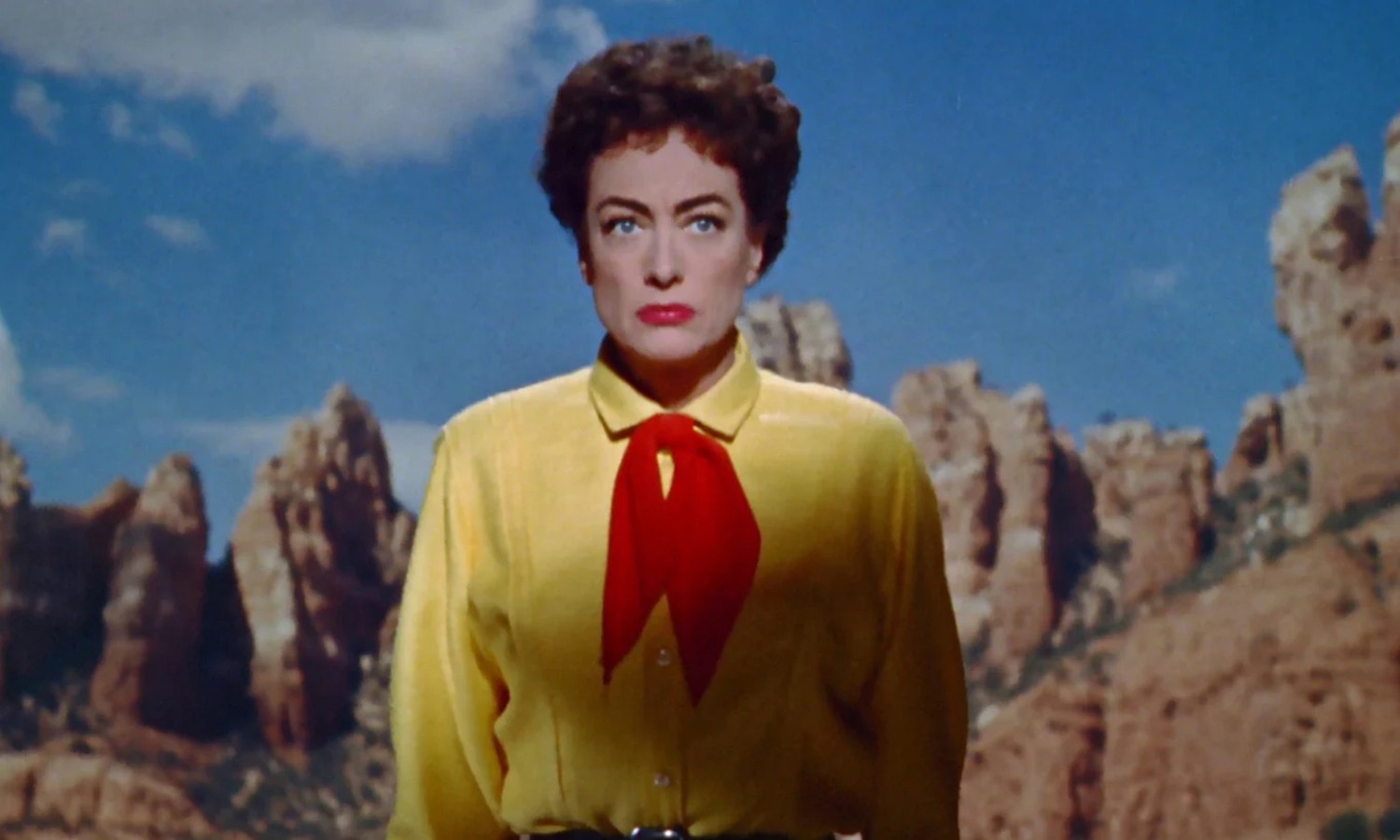
Film still from Johnny Guitar.
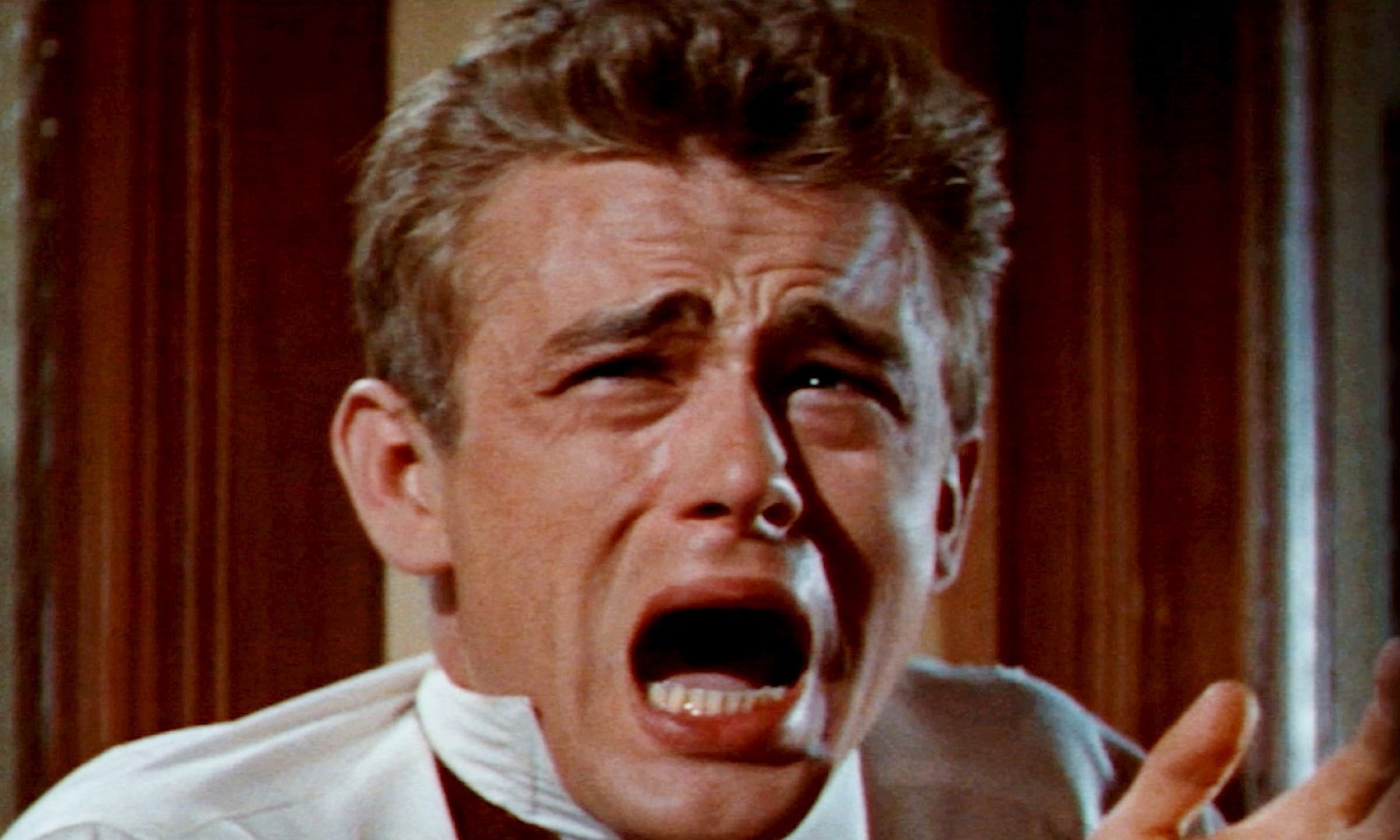
Film still from Rebel Without a Cause.
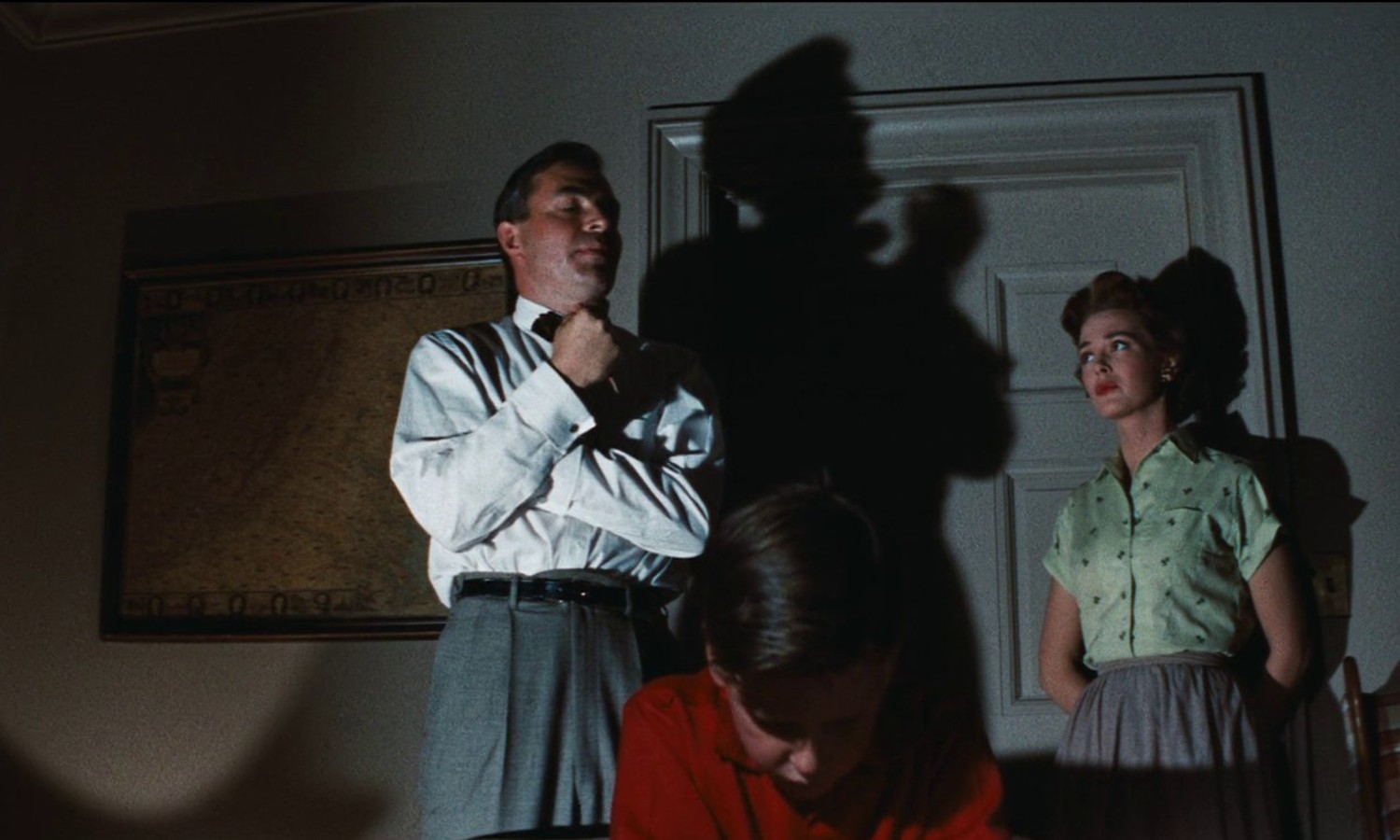
Film still from Bigger Than Life.
Film still from Party Girl.
You May Also Like
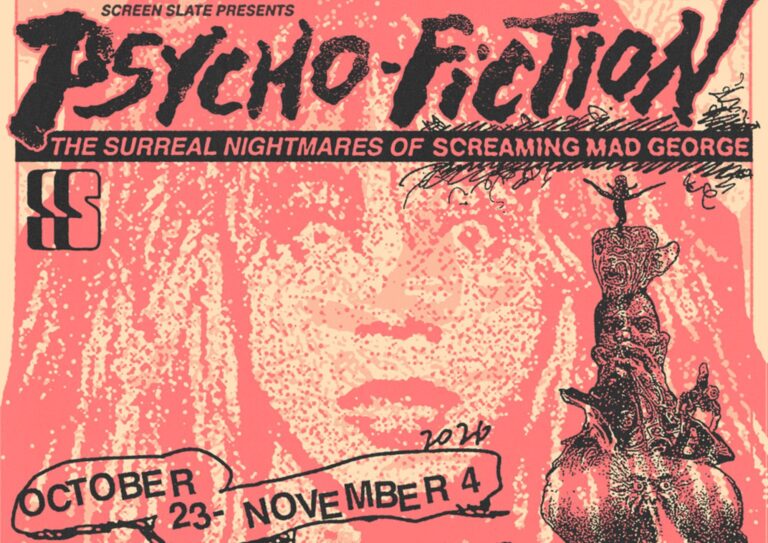
Screen Slate Presents: Psycho-Fiction, The Surreal Nightmares of Screaming Mad George
10.13.2026
Screen Slate and Roxy Cinema present a retrospective of work by special effects artist Screaming Mad George.
Read More
The Downtown Festival At Roxy Cinema New York
10.01.2026
The Downtown Festival Returns to Roxy Cinema for its third year Oct 9-18, 2026.
Read More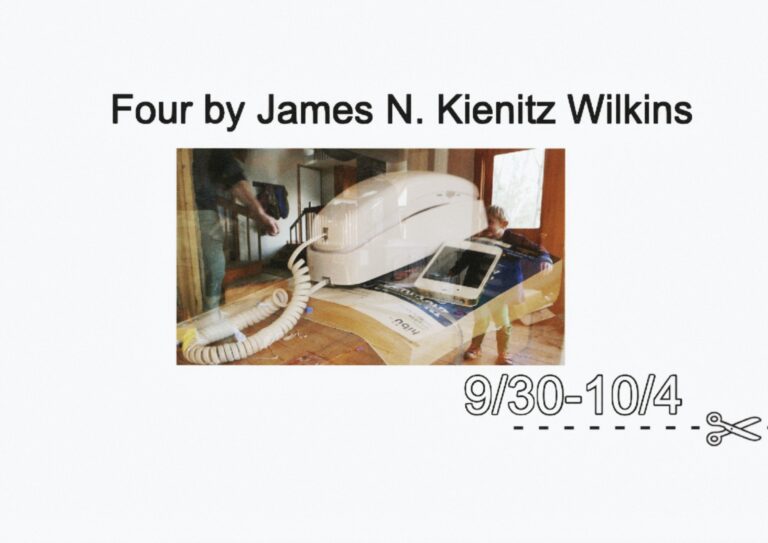
Four by James N. Kienitz Wilkins
09.28.2026
On the occasion of the release of The Misconceived (2026), Roxy Cinema presents four films by filmmaker James N. Kienitz Wilkins.
Read More