
Shot By...
Roxy Cinema presents a new recurring series, “Shot By…”, inspired by the work of film history’s great cinematographers.
Inspired by the eclectic bodies of work so often amassed by the working DP, Shot By… will feature a small selection of a notable cinematographer’s oeuvre that aims to contrast career highlights with more unusual curiosities. First up, Emmanuel Lubezki, the 3-time Academy Award winning eye behind the majority of Alfonso Cuaron’s filmography, as well as the last several Alejandro G. Iñárritu productions. Born in Mexico, November 1964, Emmanuel Lubezki has spent the last 30 years asserting himself as one of the most esteemed and inventive visual craftsmen in the industry, and earning himself a level of recognizability rare for an artist in this particular field thanks to his signature long takes and bracing use of hand-held.
For this Emmanuel Lubezki iteration of Shot By… we’re highlighting his near-avant-garde collaborations with directors Terrence Malick, specifically contemporary classic, Tree of Life, and underappreciated, indie rock melodrama, Song to Song. And of course, on the flipside, we’re proud to showcase Bo Welch’s deranged, live action Cat in the Hat adaptation, which sees Lubezki gamely shooting on elaborate Hollywood sets at a zany, comic clip. Between these three bold titles, we believe you’ll get a good sense of what makes cinematographer so especially revered.
The Tree of Life (2011)
In Terrence Malick’s The Tree of Life, Lubezki’s camera moves like a living, breathing presence, drifting through childhood memories, sunlit landscapes, and moments of family life with an almost dreamlike intimacy. Working primarily with natural light and handheld cameras, he captures the beauty of the everyday while giving the film a sense of something much larger and more mysterious. His images make the ordinary feel extraordinary, turning a child running through the grass or sunlight filtering through a window into moments of profound wonder.
Song to Song (2017)
In Song to Song, Lubezki brings his fluid, immersive style to the Austin music scene, following musicians and lovers through a world of desire, ambition, and heartbreak. The camera moves freely among the characters, often staying close to their faces and bodies as they move through crowds, parties, and open landscapes. His restless, intimate cinematography gives the film the feeling of a memory unfolding in real time, capturing the fleeting beauty of relationships and the emotional turbulence of a life lived in pursuit of love and art.
The Cat in the Hat (2003)
Lubezki’s work on The Cat in the Hat reveals a completely different side of his visual imagination. In this wonderfully chaotic adaptation of Dr. Seuss, he helps bring the storybook world of the Cat to life through bold colors, exaggerated compositions, and a camera that embraces the film’s playful absurdity. The exaggerated sets and constantly shifting visual perspective make the house feel like a living cartoon, with Lubezki’s cinematography helping transform a familiar suburban home into a surreal playground of visual surprises. It’s a reminder that his talent for creating unforgettable images extends far beyond realism, and that a great cinematographer can make even the most outrageous worlds feel tangible.
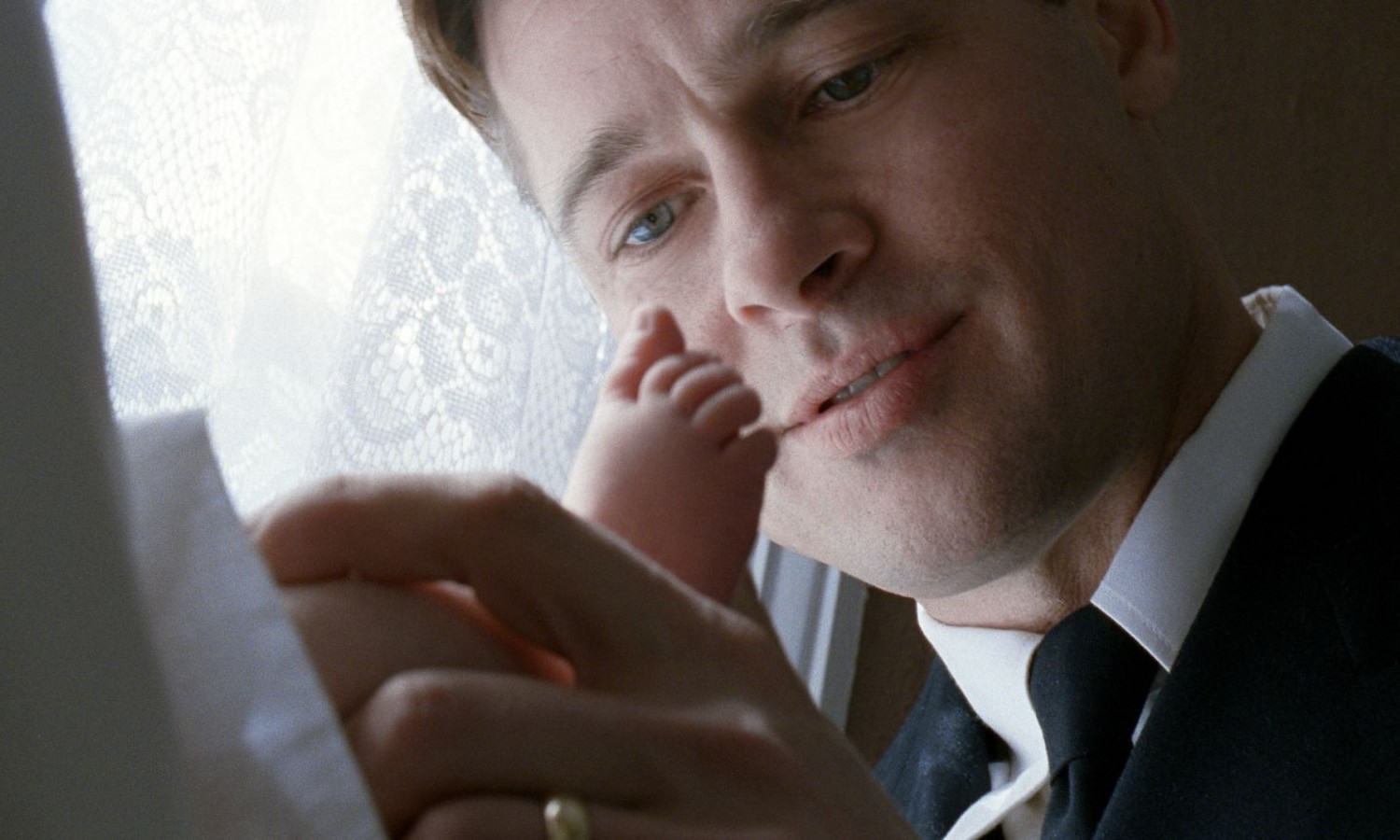
Still from Tree Of Life
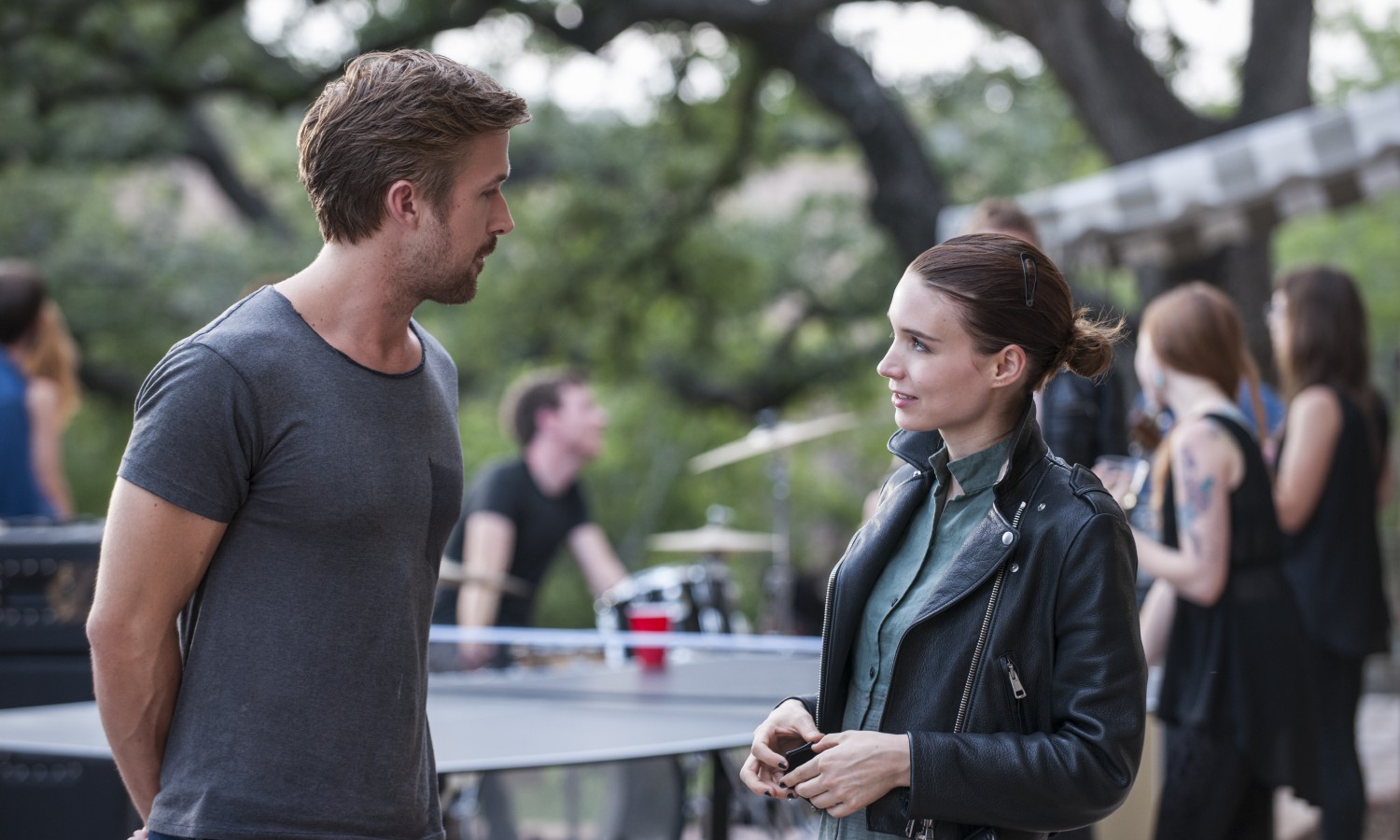
Still from Song To Song
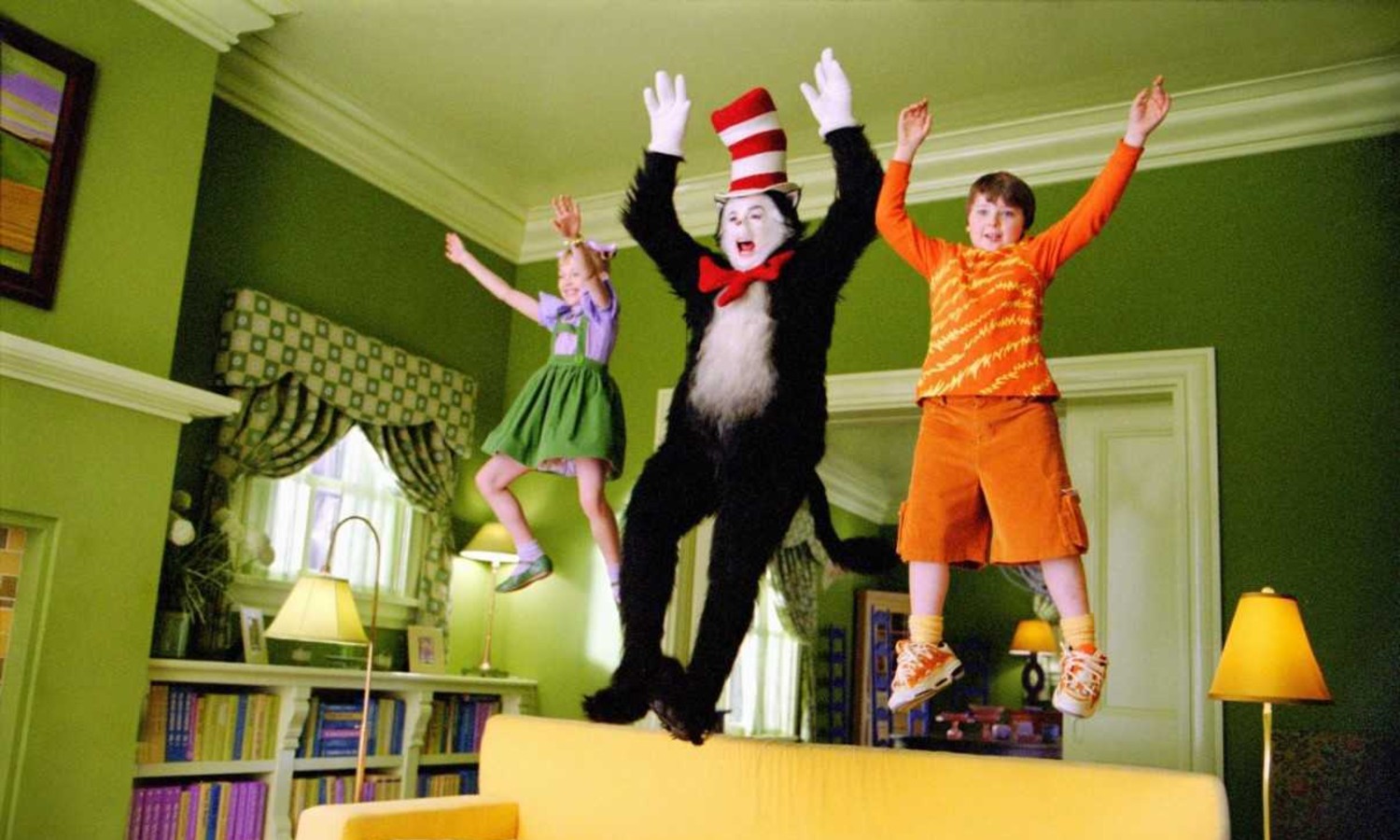
Still from Cat In The hat
You May Also Like
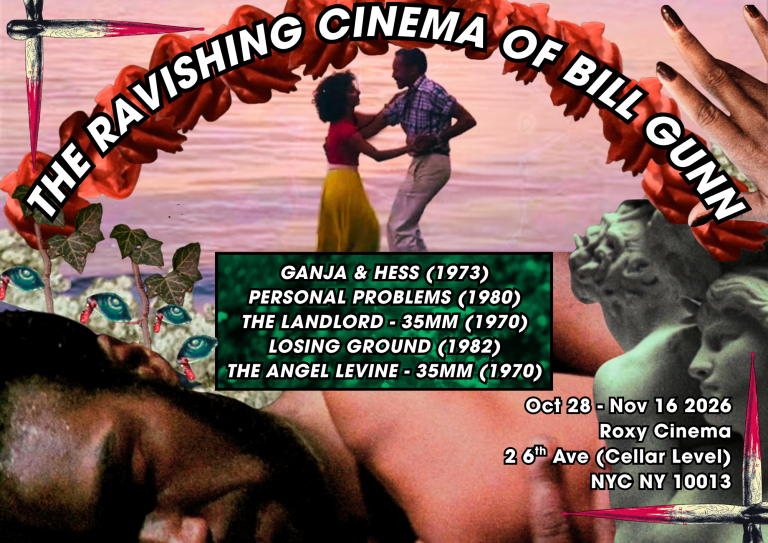
The Ravishing Cinema of Bill Gunn
10.22.2026
Five films featuring the inimitable Bill Gunn, Oct 28 - Nov 16 at Roxy Cinema!
Read More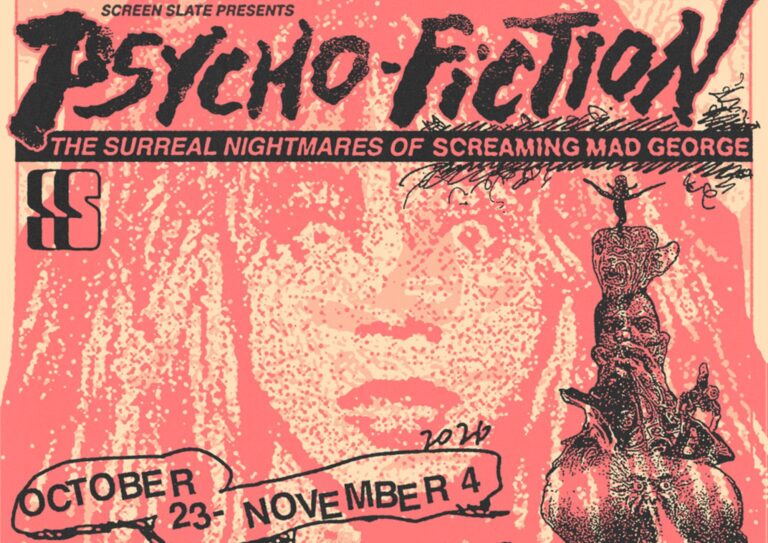
Screen Slate Presents: Psycho-Fiction, The Surreal Nightmares of Screaming Mad George
10.13.2026
Screen Slate and Roxy Cinema present a retrospective of work by special effects artist Screaming Mad George.
Read More
The Downtown Festival At Roxy Cinema New York
10.01.2026
The Downtown Festival Returns to Roxy Cinema for its third year Oct 9-18, 2026.
Read More