
Gay Shame Parade Film Festival | Presented by Skirt Chasers Local
A special film series presented by lesbian and feminist arts/culture magazine, Skirt Chasers Local
Pride is over. July is Gay Shame Month, and Skirt Chasers Local is hosting. What are we supposed to do with the skeletons in our closets? You know them—the self-hating homosexuals, the loathsome creatures who bring it on themselves. The ones we’re embarrassed by, who give us a bad reputation?
In anticipation of Skirt Chasers Local Issue #3: Gay Shame Month, the Skirt Chasers Local team is presenting a selection of films that reject Pride as the only acceptable flavor of queer expression. These films don’t fit that descriptor, and instead focus on repression, concealment, damnation, fear, and self-loathing. All real emotions put into the box of “negative depictions of homosexuality”
Roxy Cinema sat down with the visionaries behind this film festival to talk about the “gay shame” genre and the better understand the personal, political, and artistic possibilities of shame.
_________
For readers who aren’t familiar with Skirt Chasers Local, how did it get started? What is your vision? Who is a Skirt Chaser?
Skirt Chasers is a project against a kind of casual feminized anti- intellectualism really rife in the queer community right now. The Skirt Chaser is a lesbian feminist as committed to arts and culture as she is to her lesbianism.
The magazine is for amateur writers to practice critical thinking and community engagement. “Lesbian space” exists outside of the bounds of property- the magazine is a lesbian space because it’s meant to provoke conversation between neighbors, and encourage those neighbors to write articles of their own, rinse and repeat.
What can readers expect for Skirt Chasers Local issue #3: Gay Shame Month?
Skirt Chasers Local is a place where lesbians are honest about how we feel about our culture without having to appeal to or look good to straight people or the people we’re talking about. So expect a lot of good ol’fashioned honesty and really raw opinions you can’t find on online publications that fear backlash or burned bridges.
Why pair The Boys in the Band (1970) and Victim (1961)? What makes these “negative depictions of homosexuality” compelling to revisit today?
We paired these films as a depiction of how homosexuality was seen in film before “pride” as a concept was even a thing-the first gay pride parade was in 1970, same year as The Boys in the Band was released, and Victim predates it by a decade, so you can really see the evolution of queer depictions throughout the decade evolve by watching the films back to back (even if the films are from different countries)
They’re both pro-gay in the same outdated pre-pride way.Their purpose is to sort of induce heterosexual pity, and implore them to cause gay people less suffering. Very different from previous depictions of queer people as villains, or as people to laugh at. I’ve been calling these two films “classics of gay shame”, and this very particular genre is what we had in mind when first conceptualizing the festival.
In the 80s and 90s, and in the age of the celluloid closet these films were seen as kindo of primitive, but really they’re just from a pre-pride era. It’s much easier to appreciate in the 2020s, when we have considerably more examples of queer life on screen not dominated by repression, self hatred, and concealment.
Gay Shame is, of course, a cheeky inversion of Pride, but I’m curious about what draws you to shame as a theme more generally. Is shame something to move beyond, or is there value/possibility in it—whether artistically, politically, or personally?
I feel as though for the first time, we have a generation of queer people, in some parts of this country, who grew up without homophobia being totally ubiquitous, and because history is so quick to adapt and forget, it seems everyone acts as if this has been the reality forever. So when a queer person feels intense, debilitating shame- this is mistaken as a personal flaw rather than the successful outcome of the heteropatriarchy we have all been submerged in since birth.
So yeah, the concept of “Gay Shame Month” is to free queer people from the burden of having to perform this kind of intense pride without having to worry about the implications for the “movement”.
Films in the series include:
The Boys in the Band (1970) on 7/16
Victim (1961) on 7/17
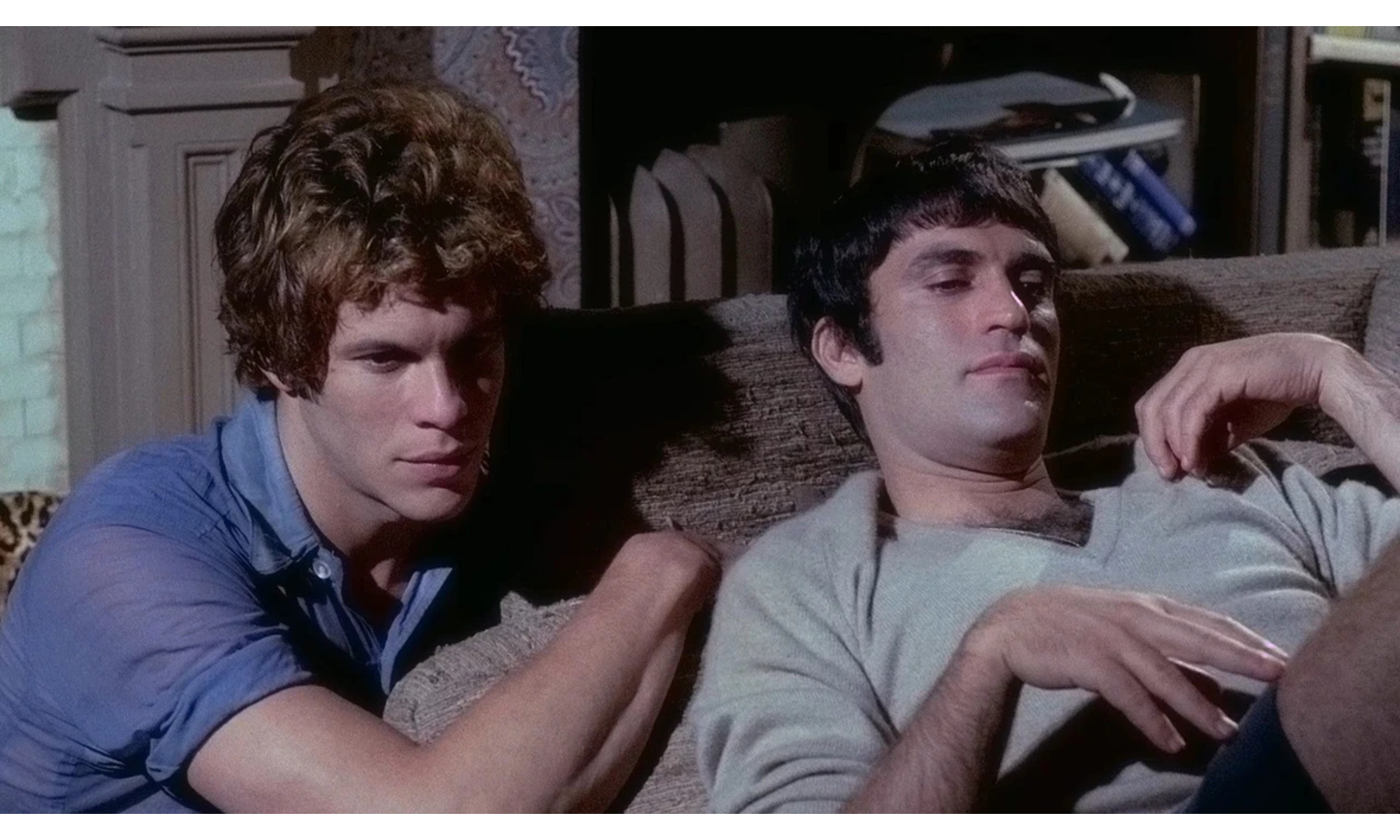
In The Boys in the Band (1970, William Friedkin), a homosexual enclave gathers for a birthday party on the Upper East Side, which explodes into a cathartic, drunken spiral of finger-pointing and collective shame.
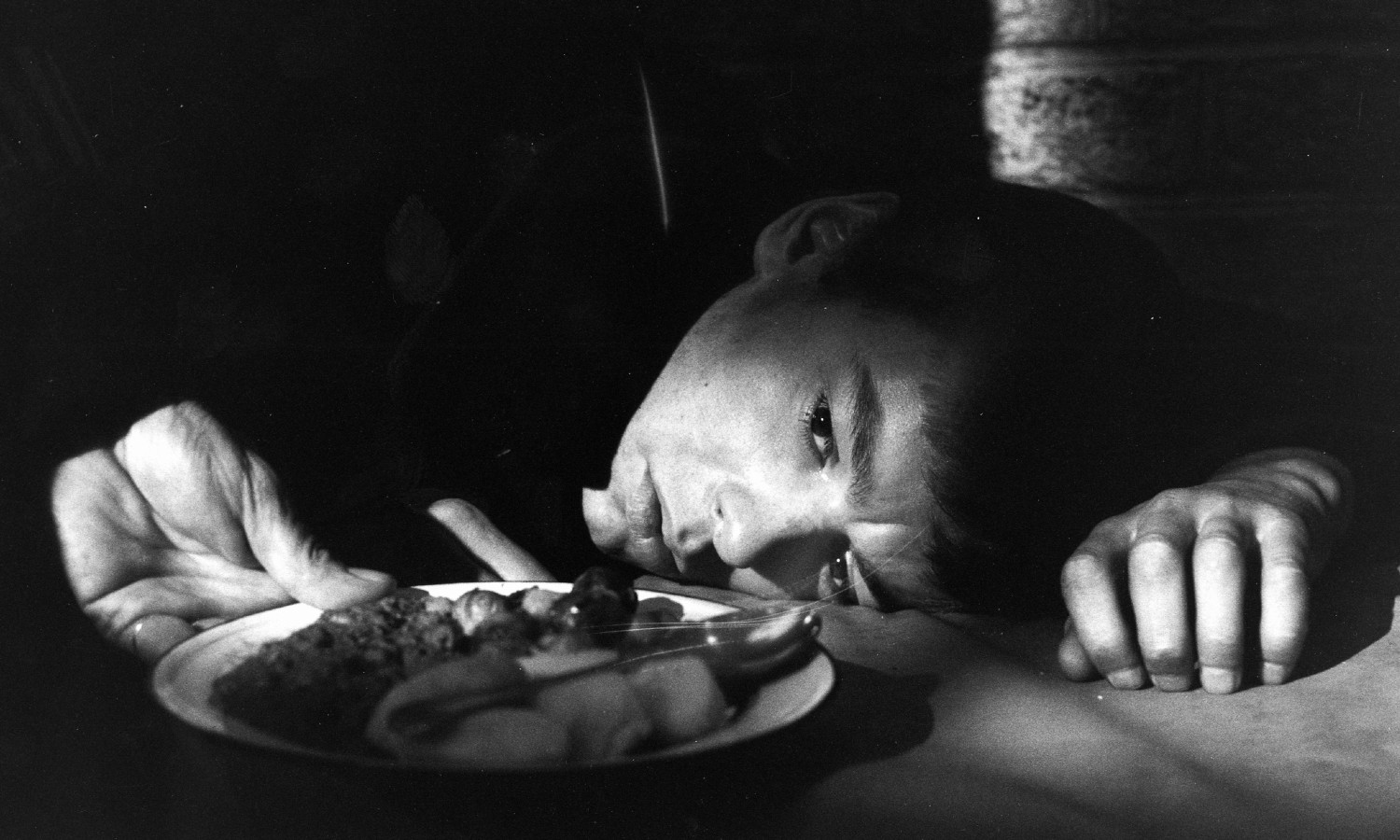
Victim (1961, Basil Dearden) is cited as the first English language film to use the term "homosexual." It stars the closeted Dirk Bogarde as a successful barrister blackmailed with knowledge of a former gay relationship.
You May Also Like
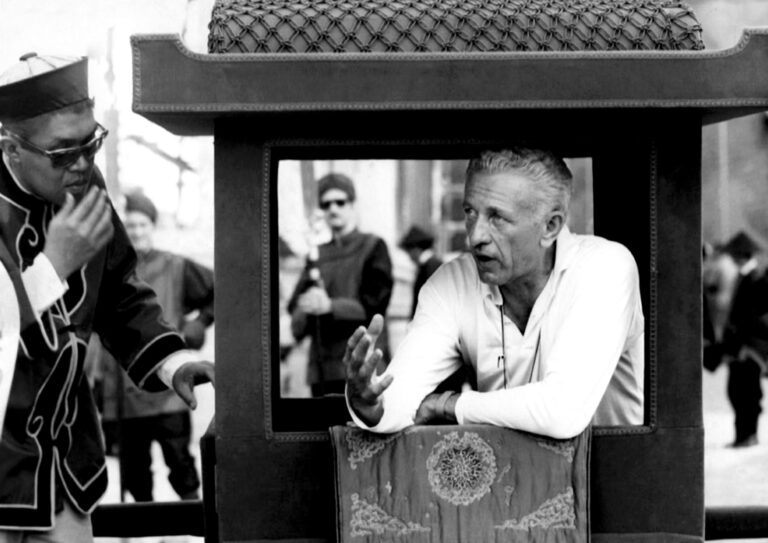
Rebel: The Cinema Of Nicholas Ray
06.30.2026
This July, Roxy Cinema examines the work of Nicholas Ray, one of American Cinema’s most influential and uncompromising directors.
Read More
This Is Cinématographe
06.11.2026
Roxy Cinema teams up with Cinématographe to bring their visionary discs to the big screen.
Read More
Divas on Screen
06.09.2026
A special film series curated by actress/filmmaker Lauren Fern and film critic/historian Margot Stacy.
Read More