
Narrow Margin Presents: Three by Cohen
In celebration of their third issue, Narrow Margin film quarterly presents three films by iconic genre auteur, Larry Cohen.
To celebrate the release of the third issue of the film quarterly Narrow Margin, its editors have selected three films by Larry Cohen: Bone (1972), Q (1982), and The Ambulance (1990). Narrow Margin #3 is devoted to Cohen and Rita Azevedo Gomes. It features original criticism, the first English-language translations of important texts on both filmmakers, a roundtable on Cohen’s The Ambulance (1990), and a new interview with Azevedo Gomes. Print copies will be available for purchase at each screening.
An Aztec god atop a New York skyscraper, an ambulance roaming the streets for victims, the white bourgeoisie’s worst nightmare: Larry Cohen’s pulp fictions tear through the fabric of American life. Shot for peanuts with the ambitions of high-concept blockbusters, his guerrilla productions place the wildest spectacles of 50s B movies squarely in the sweaty, grimy world of post-Vietnam America. Like Cassavetes making a Bert Gordon film, Cohen’s movies bring the fantastical from the studio backlot to the mean streets. In each of his films, ordinary men and women are challenged to defy the powers that be and believe what they see with their own eyes. In turn, Cohen urges us to question everything we take for granted—even at the risk of being called crazy. Testaments to true grit and sharp instincts, Cohen’s cinema spits in the eye of “elevated horror” and gives it to you straight, bruised and beautiful.
At first glance, Q: The Winged Serpent sounds like pure exploitation: a giant, ancient Aztec creature terrorizing modern-day Manhattan. But Cohen uses the premise as a launchpad for something far more eccentric and character-driven. The film follows a small-time crook (played by Michael Moriarty) who discovers the creature’s nest atop the Chrysler Building and attempts to turn the situation to his advantage. What unfolds is part monster movie, part black comedy, and part portrait of a city teetering on the edge. Cohen’s New York is chaotic and alive, filled with friction between cops, criminals, and everyday strivers. The film’s rough edges—its handmade effects, its unpredictable tone—are exactly what give it charm, turning it into one of the most beloved cult films of its era.
With The Ambulance, Cohen pivots into paranoid thriller territory, crafting a story that feels both absurd and unsettlingly plausible. Starring Eric Roberts, the film follows a comic book artist who witnesses a woman being taken away in an ambulance that seems to vanish without a trace. His investigation uncovers a shadowy conspiracy operating in plain sight on the streets of New York. Cohen leans into a pulpy premise but grounds it in a very real urban anxiety—the fear that systems meant to protect us can become instruments of danger. Featuring a memorable supporting turn from James Earl Jones, The Ambulance blends suspense, dark humor, and social unease into a film that feels like a late-night fever dream.
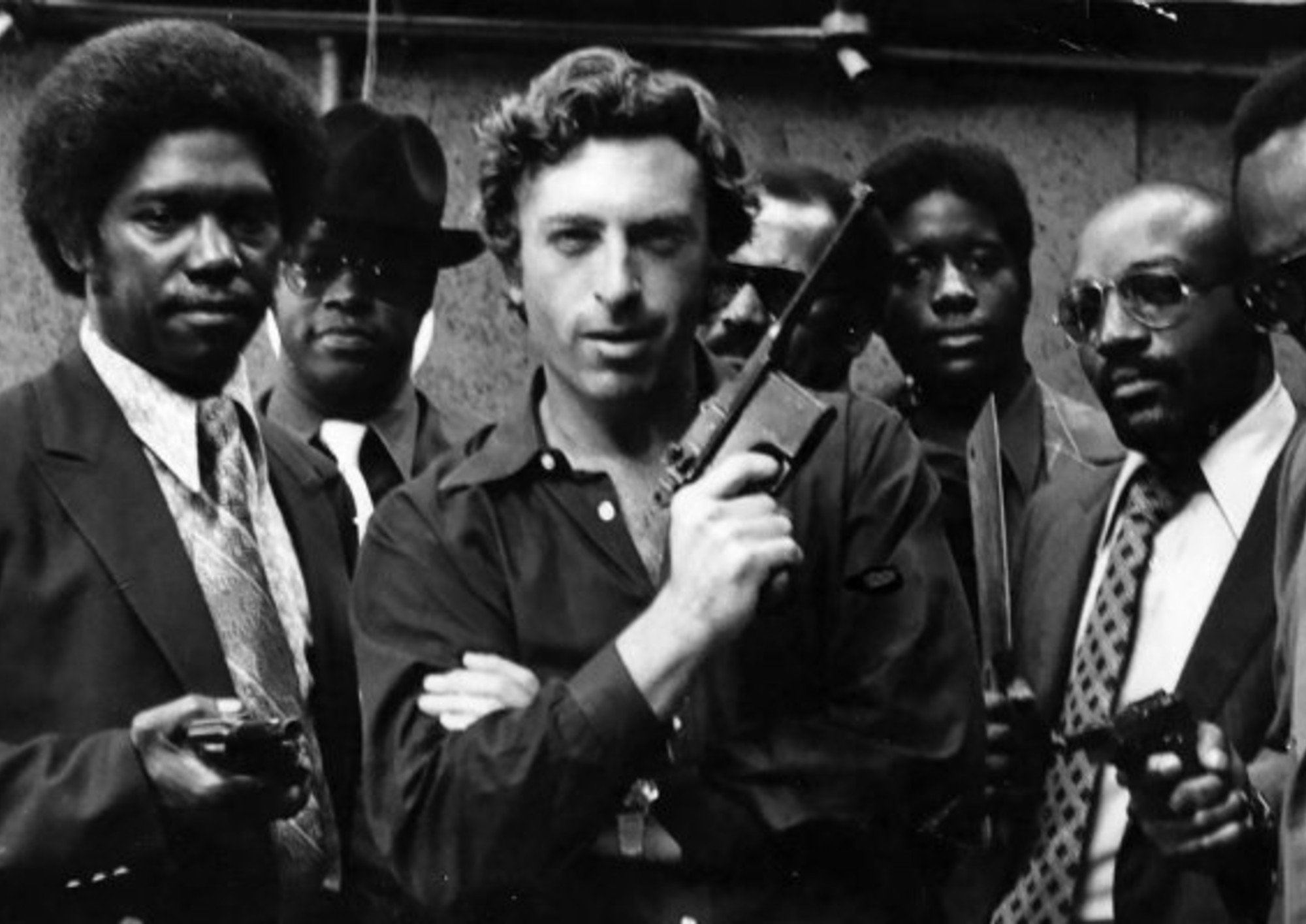
If those films showcase Cohen’s flair for genre, Bone reveals his sharper satirical edge. Released in the early 1970s, the film centers on a wealthy but deeply unhappy Beverly Hills couple whose lives are upended when a mysterious intruder—played by Yaphet Kotto—enters their home. What begins as a home invasion quickly morphs into something stranger and more psychologically complex, as the power dynamics between the three characters shift in unexpected ways. Bone is less concerned with conventional thrills and more interested in dismantling the illusions of wealth, race, and control in American society. It’s a confrontational, often uncomfortable film, but one that demonstrates Cohen’s willingness to push boundaries long before he became known for his cult genre work.
Taken together, these three films highlight what made Larry Cohen such an essential filmmaker: his ability to fuse bold ideas with resourceful execution, to find spectacle in the everyday, and to smuggle sharp social commentary into the most unlikely genres. Whether it’s a monster perched above Manhattan, a conspiracy hiding in an ambulance, or a home invasion that turns into a surreal battle of wills, Cohen’s films remind us that cinema doesn’t need to be polished to be powerful—it just needs to be alive.
You May Also Like

Rick Prelinger's Lost Landscapes
09.17.2026
Roxy Cinema welcomes legendary archivist/filmmaker Rick Prelinger to present his participatory city symphony, LOST LANDSCAPES, for two special evenings this September and October.
Read More
JT Selects: Club Films - Movies that Inspired Club Cheetah
09.05.2026
Four club films as chosen by JT in anticipation of her upcoming album, Club Cheetah.
Read More
Roxane Mesquida @ Roxy Cinema!
09.03.2026
On the occasion of the release Her Will Be Done (2026), Roxy Cinema present four films featuring French actress, Roxane Mesquida.
Read More