
Misc En Scene | First Principles | Film Series At Roxy Cinema
Margot Stacy of Misc En Scene curates a special film series for the Roxy Cinema this January!
“You can’t permanently disable Google’s AI Overview…” reads Google AI Overview when I search how to opt out of its imposing top-of-the-page function. Instead, the search engine lists steps on how to filter out its functionality (a persistent tautology!) via some technobabble codespeak I am too lazy to decipher. More sinisterly, I can sense its coercive force: I should accept my lot and believe whatever this digital troll errantly cites. I scroll further where it can’t see me.
Days later, I try again to disable the devil. A profane fallacy: I was delivered misinformation about Robert Altman and Barbra Streisand, errant aggregated internet histories that tell me the two titans clashed because he didn’t cast her in 1975’s Nashville. (The real story is he kicked Streisand and then-lover Jon Peters out of his office after a screening of the film because of their opportunistic desire to draw pointers from Altman as they prepped for Streisand’s next film, A Star is Born.)
When I google the same thing, just minutes later, literally right now, from my computer, The Overview tells me yet another story, slightly closer to the truth. (I shudder that it anticipates me; the service industry is ubiquitous.) It references Altman’s own story recounted in a production book by critic Jan Stuart (The Nashville Chronicles: The Making of Robert Altman’s Masterpiece), that book’s narrative retold by the paper SF Gate, a syndicated piece originally published by Liz Smith in Newsday (10/11/2000), read now by me (12/24/25).
Whatever the story, it’s one meant to be recounted by its characters and their inevitable narrators, not a vast, digital mime of human neural processes. I would rather read Altman by way of Stuart by way of Smith, et al. There’s no need for a Generative Narrator; the archive is that assailable.
***
Narration is authorial. Perspective, mode, genre, cadence, these things are intrinsic to art, because they are intrinsic to art’s authors. To mimic isn’t to create; it is beyond reference and the grand historical elision that is human truth, a deception and a plagiarism. AI’s primary mode is that of the mimic, or better, of the jester. The First Principles of this tech are to survive, and in mimicry of the human, become our antagonizer. What happens then when we feed this tech from our slovenly need to make life simpler, more efficient, cheaper, cleaner, meta avatar, allononepage!, etc.? It will replicate the dataset, that pseudo-neural pathway, and essentialize that quoted human desire within its own operating function. So we teach it to destroy us. No Terms or Conditions: its very implementation into our routine is an assumed (or scripted) necessity. We instruct it to collectivize us as its own digital costume and master us by bastardizing and eradicating human tenets, namely, culture and myth.
This all makes me especially tired of the dusty filmmaker preaching inevitabilities, ones they fund and organize. Bring in the clowns. They want us to acquiesce. They orate and post to grid with fervor that our adoption of AI can reroute the bad actors toward an embrace of evolving labor and ownership (thus culture?) and the furtherance of our own necessity. Rot! In their own self hatred, they build the machines that destroy themselves, primarily, the artist. (It’s assumed, naturally, that the underclass of artists will have been annihilated before the shills. The artist’s work is done.) These heralds sense their own decay and so amputate art in the name of fiscal preservation. Nothing new under the sun—thank God for surplus labor! This is how technocratic accelerationists procreate. Yet no matter their tax bracket or devious gimmick, they arrived here as artists, and instead of writing their malady, they technologize it.
***
Can this tech transform an entire Texas small town into a film set, preserved now for decades? Can it make this town home to the greatest American novelist who also housed one of the world’s most varied collections of international literature? Does it introduce that novelist to the greatest American diva and cast them as tennis partners? Does it assign said diva as one of the greatest and idiosyncratic cinematic pioneers of her time? Can it also have her personally offend one of our other greatest film directors, enough so he’d throw her out of his office? Can it comprehend a body of work that united hundreds, if not thousands, of actors, film crews, and narratives over the span of 50 years? Will we trust AI to tell us these stories, not by simple fact but with human flourish and fallibility? Can it narrate these stories in a way that brings me a joyous obsession with cinema that leads me to this very screening series at my favorite cinema in my favorite city?
It doesn’t matter. It is impossible for it to produce without lived antecedent. We are the antecedent. There is nothing but ourselves capable of the ecstatic.
***
Cinema is (about) malady. It is about the things that destroy us, itself an imprint of our profundity. It decays in tale and reel. Cinema is our artistic effort to still lived time and retell those destructions, abatements, and celebrations. Over and over, we choose to devote ourselves to a combustible and corruptible spiritual memory. It’s a collective effort, from writers, directors, gaffers, actors, best boys, costume designers, audiences, etc. to maintain rights over our stories—thus, our legacy. We then blow them up big and allow time to spill over us perpetually, seducing ourselves by our own truth. Generative slop (adamantly not art!) demands our very own precarity as its fuel. It lacks the tools of the senses to play siren. It is derivative, and the derivative will always fight to remain. Who will remember otherwise?
***
This screening series is a plea for the grandiose, to witness the actual human scale it takes to build Cinema. It is a reminder that, even as we use cinema to battle the inevitable, we cannot wield it as a weapon against our own preservation: the art is our very continuation. Did we not establish it to be so?
Streisand’s The Mirror Has Two Faces, McMurtry/Bogdanovich’s Texasville, and Altman & Co.’s Short Cuts represent a foil to the derivative and the very beginnings of my own cinematic memory. They are a preemptive Rosetta Stone to the incarnate element of film that obfuscates the generative and parasitic tech we are poised to watch balloon over the next decade. If cinema is malady, it is also antidote. Art’s obsolescence is challenged by the very meaning we assign it in ritual and sacrament. It is built like us: with desire to live eternally, or until we open our eyes again. Catastrophes ensue, but AI and its proponents deliver a weak death rattle. It’s not our time to perish—cinema is our monument.
***
Due to unforeseen circumstances, the screening of Tsui Hark’s Green Snake on 1/29 is being replaced by Ernst Lubitsch’s Design For Living*
“How would Lubitsch do it?” hung framed over Billy Wilder’s desk. Like a prophetic utterance, it’s a phrase that seems to have directed the mind of every truly modern filmmaker. Ernst Lubitsch’s knack was singular; a filmmaker whose touch was an elusive mold for cinema-as-we-know-it,. There is no doubt the artform simply wouldn’t exist without his ecstatic brilliance. Not only known for his “Touch,” an indelible signature that filmmakers like Bogdanovich have taken as a beginning ethos, he was revered by The Greats as a titan. (Possibly the world’s greatest filmmaker?) And in that regard, he and his prolific oeuvre are a True Antecedent. To call him still a living narrator is admittedly arch and starry-eyed, but wholly true: genres, modes, careers, and dreams were generated by the man’s genius.
If the primary challenge of art is to force the mind and body to bend to an affected will, Ernst Lubitsch is indeed cinema’s Very First Principle. How apt then to begin this series with his 1932 film Design For Living, the criterion of Bogdanovich, Streisand, and Altman, as well as the rest of us.
Words by Margot Stacy

Still from Design For Living
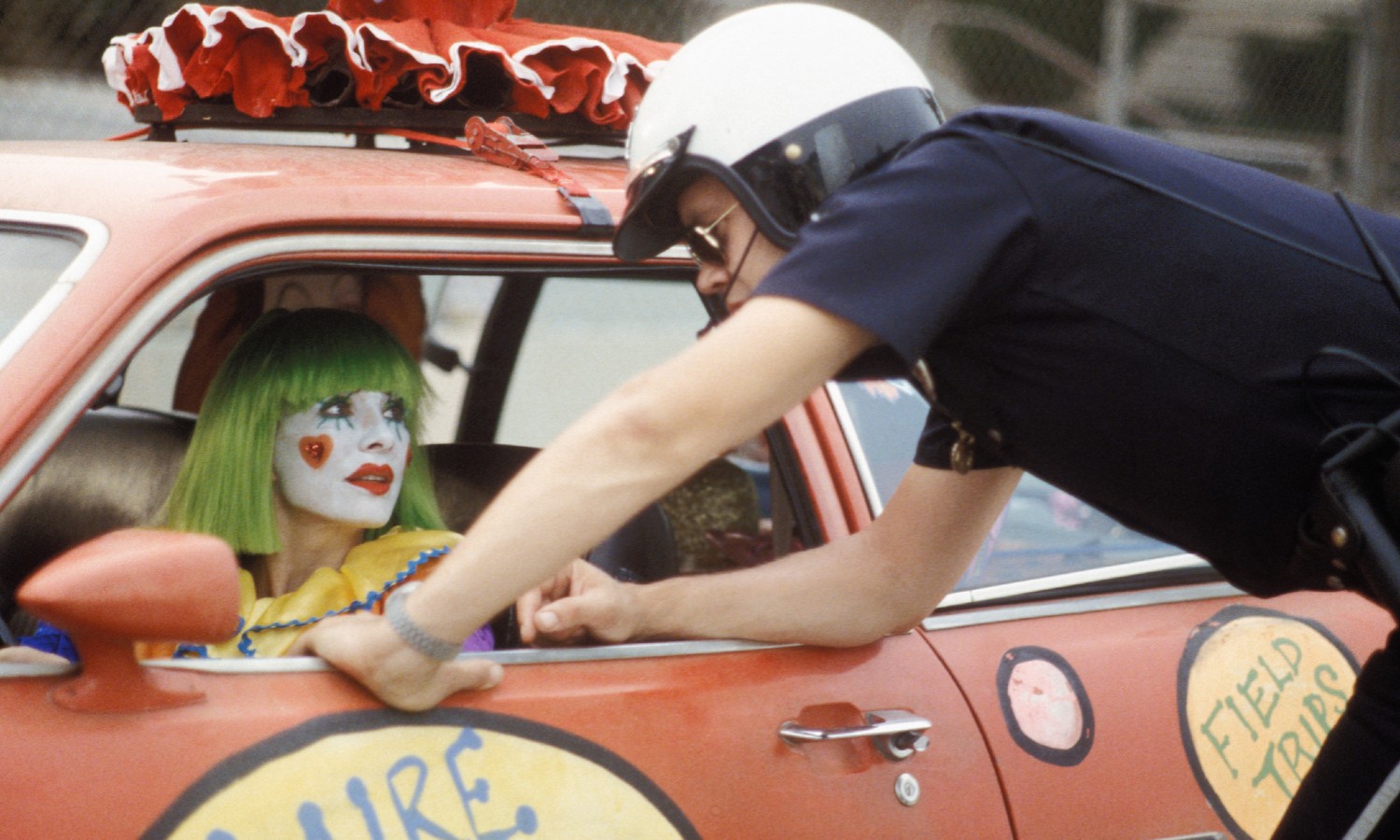
Still from Short Cuts
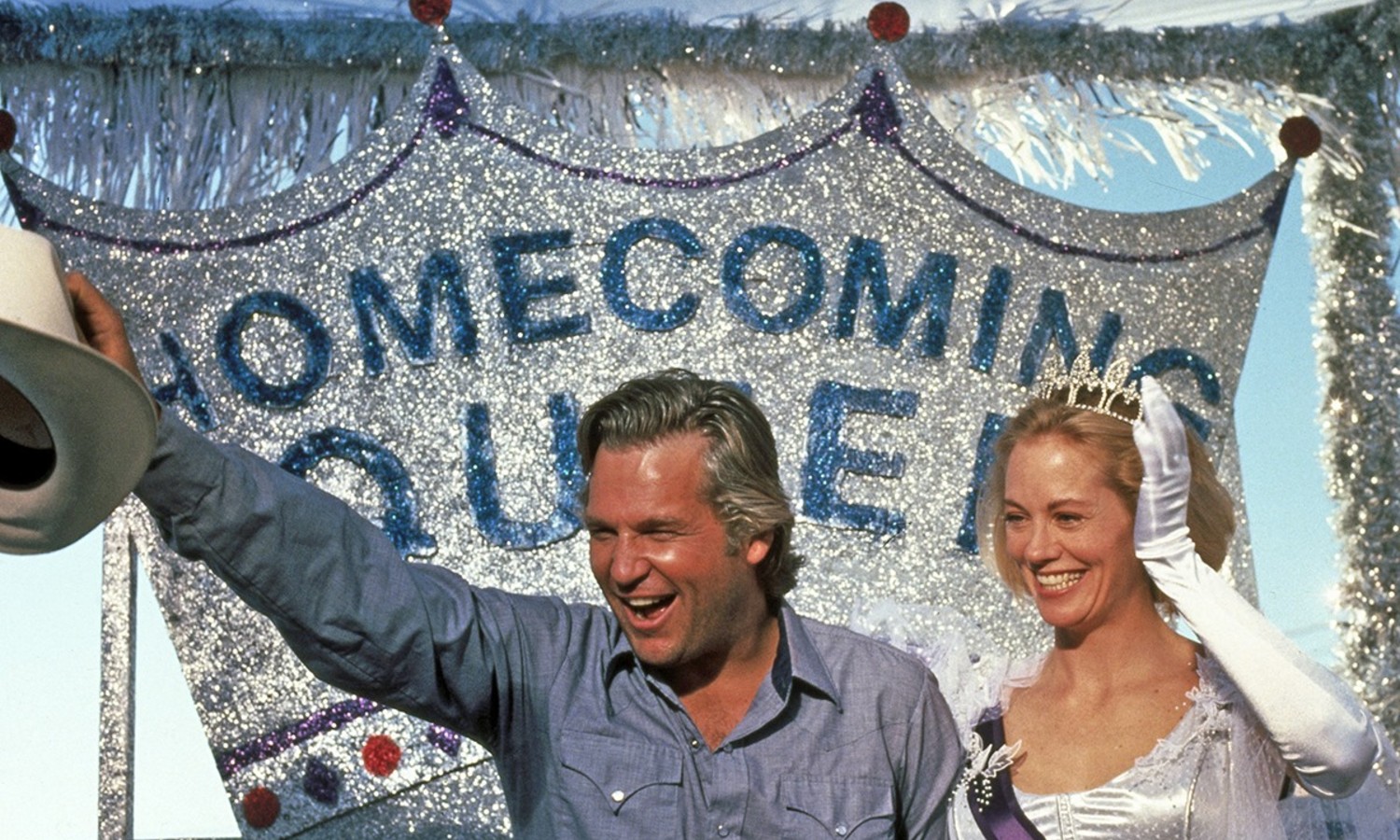
Still from Texasville
You May Also Like
3 Selected By Charli xcx
01.27.2026
Before THE MOMENT hits theaters, catch Charli’s curated choices on the big screen Scarlet Diva, Persona, & A Cross The Universe
Read More
Roxy Cinema, 2025 Year in Review
12.18.2025
A Landmark Year of Cinema, Community, and Conversation.
Read More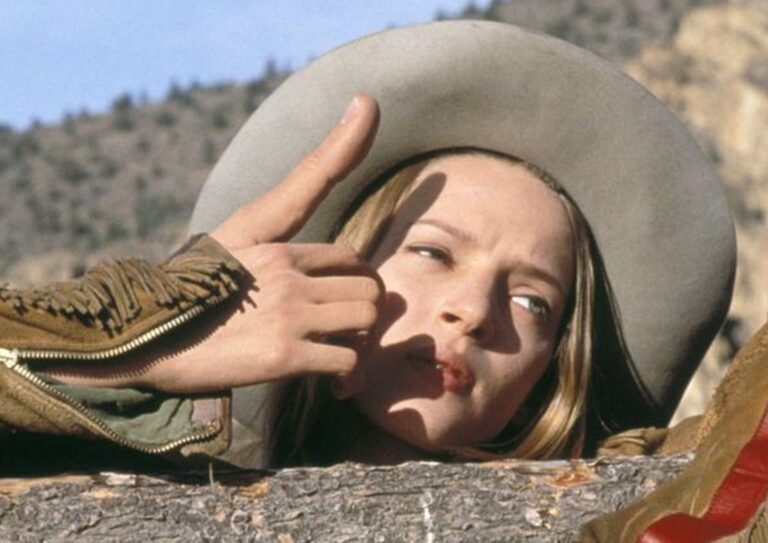
Dream States: The Cinema Of Gus Van Sant
12.08.2025
One of the most distinctive and daring voices in American filmmaking takes centerstage at Roxy Cinema this winter.
Read More