
Frederick Wiseman X 3
Join us at the Roxy for this special celebration during Art House New York Week, and experience the city through one of cinema’s most essential observers.
At Roxy Cinema, we believe the big screen is a space for discovery—of places, of people, and of the intricate systems that shape our daily lives. As part of Art House New York Week, we’re proud to present a special series dedicated to one of the most essential American filmmakers of the past six decades: Frederick Wiseman. Across three monumental works—Welfare, Central Park, and In Jackson Heights—Wiseman turns his camera toward New York not as postcard fantasy, but as living organism. His films immerse us in the rhythms of public institutions and shared spaces, revealing the drama, humor, conflict, and compassion embedded in everyday life. Frederick Wiseman’s approach is deceptively simple. There are no voiceovers guiding us, no talking-head interviews framing what we should think, no musical cues to manipulate emotion. Instead, Wiseman practices a rigorous observational style: patient, attentive, and profoundly human.His films unfold scene by scene, conversation by conversation. We are not told what to feel—we are invited to watch, to listen, and to come to our own conclusions. In an era of fast cuts and hot takes, Wiseman’s work feels radical. He gives time back to the audience. He trusts us. And nowhere is this trust more rewarding than in his portraits of New York.
Welfare (1975): Bureaucracy and Humanity
Shot in the mid-1970s, Welfare takes place inside a New York City social services office. What might sound procedural or dry becomes, in Wiseman’s hands, something deeply gripping. The film captures a cross-section of people seeking assistance: the unemployed, the elderly, immigrants, people with disabilities, families in crisis. Across desks and counters, caseworkers and applicants negotiate the rules of a system designed to help—but often strained to its limits.What emerges is not a simple indictment or endorsement of public welfare. Instead, Wiseman reveals the friction between policy and lived experience. Moments of absurdity sit alongside moments of grace. Bureaucracy clashes with urgent human need. The film becomes a microcosm of the city itself—diverse, pressured, imperfect, and profoundly alive.Nearly fifty years later, Welfare feels as urgent as ever.
Central Park (1989): A Democratic Landscape
If Welfare explores an institution, Central Park explores a shared civic space. Wiseman’s camera roams across seasons, boroughs, and communities, observing how New Yorkers inhabit the park.We see musicians rehearsing, children playing, activists rallying, joggers circling the reservoir, administrators debating funding, and performers staging Shakespeare under the sky. The park becomes a stage where class, race, art, politics, and recreation converge.What makes the film extraordinary is its scope. Central Park is not just about leisure; it’s about governance, preservation, and public life. Who maintains the park? Who decides how it is used? Who gets access? In Wiseman’s lens, the park is more than greenery amid skyscrapers—it is a democratic experiment, constantly negotiated and reimagined by the people who pass through it.
In Jackson Heights (2015): A Portrait of Contemporary Queens
Four decades after Welfare, Wiseman returned to New York to make In Jackson Heights, an expansive portrait of one of the most diverse neighborhoods in the country.Set in Queens, the film captures a vibrant tapestry of immigrant communities—Colombian, Mexican, Bangladeshi, Pakistani, Tibetan, Nepali, and many more—alongside LGBTQ activists, small business owners, street vendors, and longtime residents facing rapid gentrification. Town hall meetings unfold with urgency. Shopkeepers debate rent hikes. Community leaders organize to protect local culture. Religious services, parades, and storefront conversations reveal a neighborhood in motion. What distinguishes In Jackson Heights is its sense of simultaneity. So many languages, histories, and aspirations coexist within a few city blocks. Wiseman doesn’t flatten this complexity; he embraces it. The result is a film that feels both intimate and epic—a living record of New York in the 21st century.
What connects these three films is not just their New York setting, but Wiseman’s sustained attention to how public life functions. He is interested in systems—how they work, where they strain, and how individuals move within them. He is equally attentive to moments of friction and moments of grace. In an era of rapid edits and instant conclusions, his films insist on duration. They ask us to sit, to observe, and to listen. Experiencing Wiseman’s work in a theater changes the experience. The scale of the image, the layered sound, and the shared concentration of an audience heighten the sense of immersion. His films are built on accumulation; details gather meaning over time. On the big screen, that accumulation becomes powerful. Together, Welfare, Central Park, and In Jackson Heights trace a city across decades—through fiscal crisis, cultural transformation, and ongoing debates about who New York is for. They remind us that institutions are made of people, that public spaces are constantly negotiated, and that democracy is something practiced in everyday interactions.
We invite you to join us at Roxy Cinema for this special series during Art House New York Week and experience Frederick Wiseman’s New York in all its complexity, contradiction, and vitality.
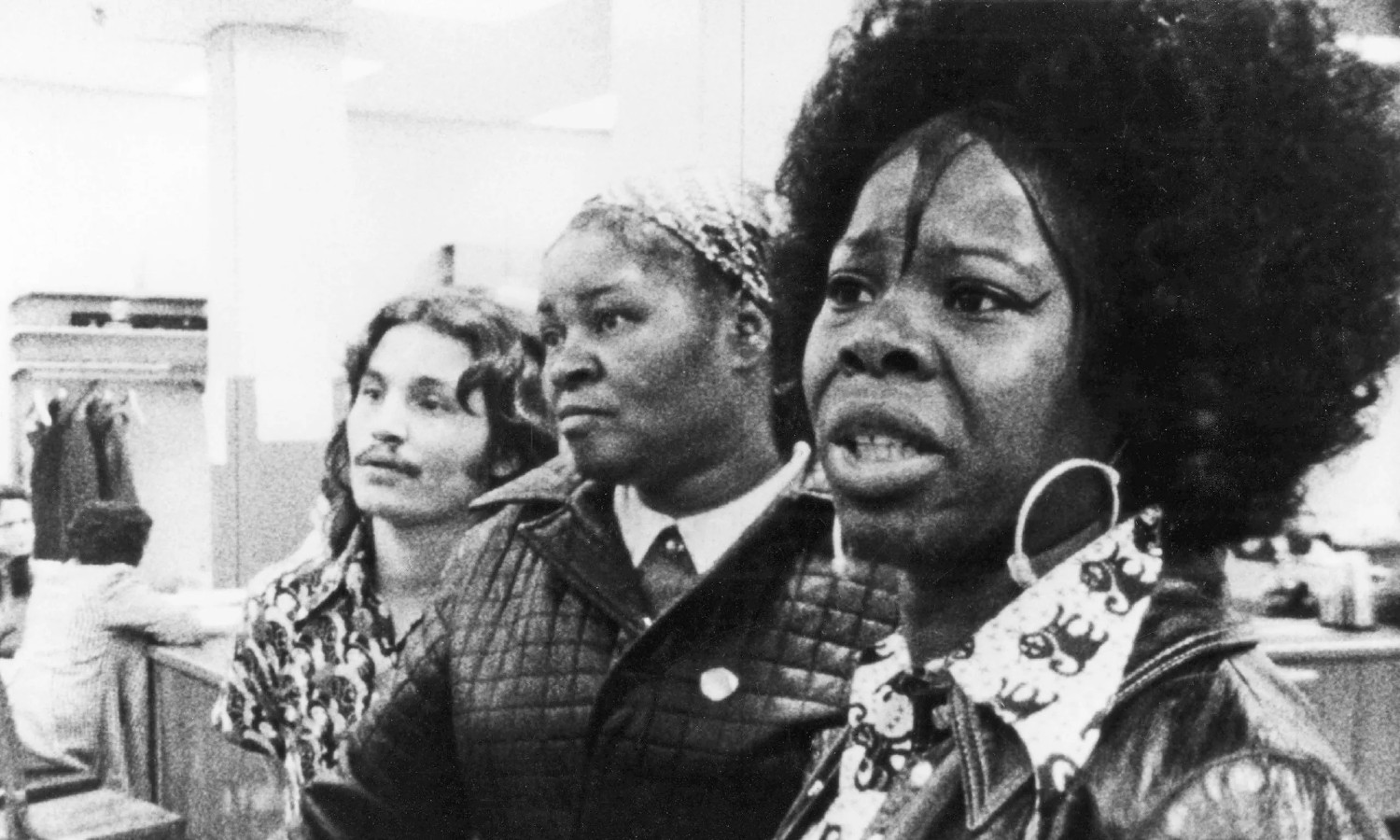
Welfare
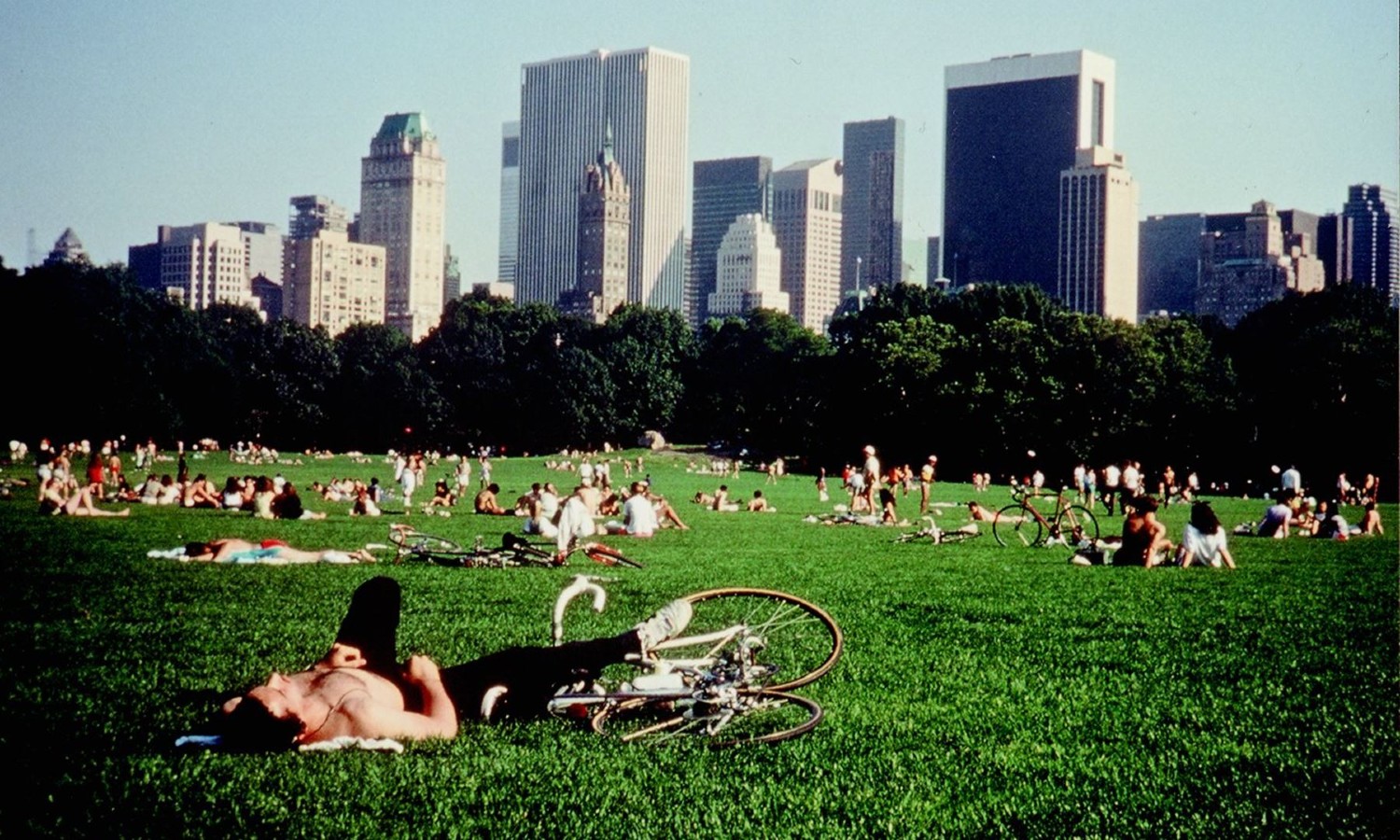
Central Park
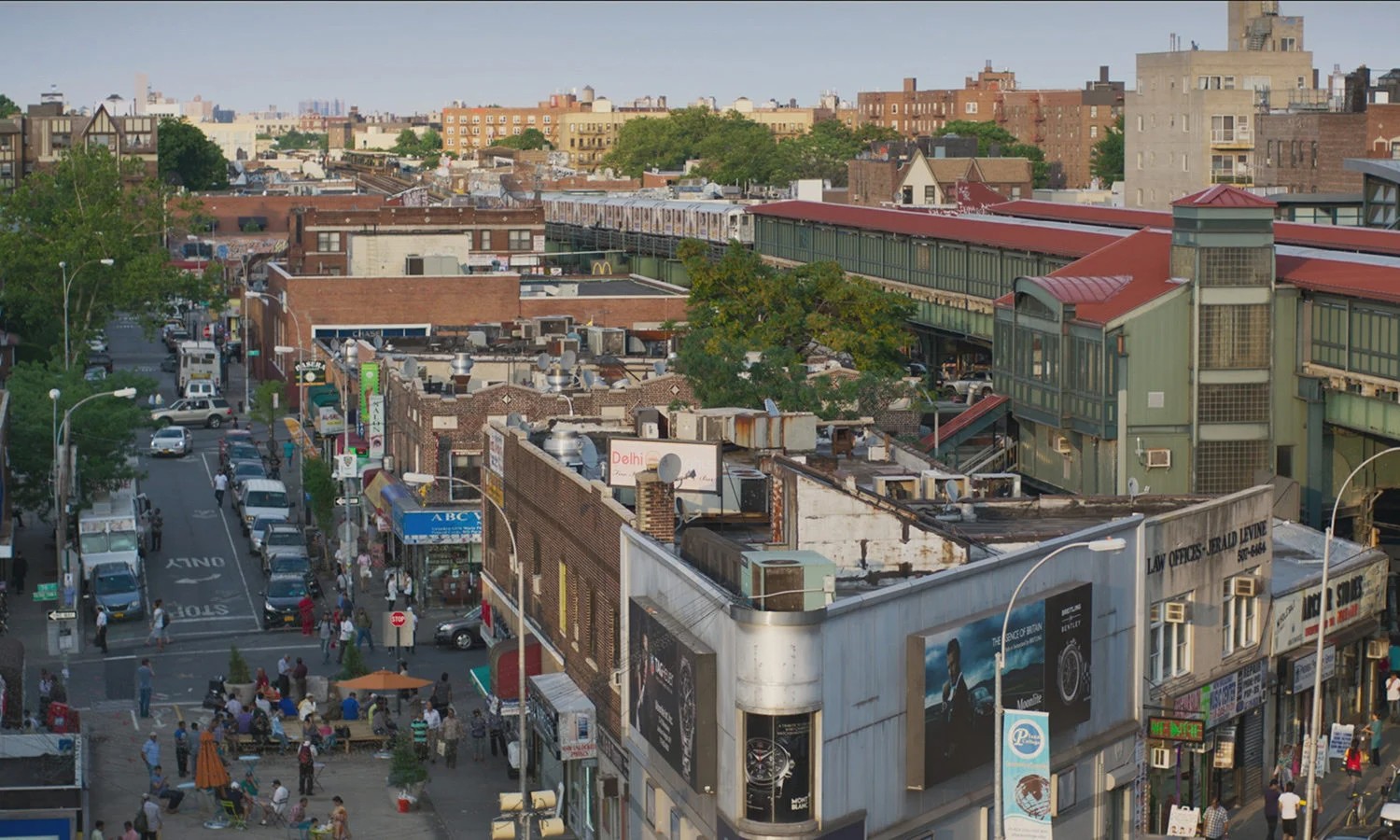
In Jackson Heights
You May Also Like
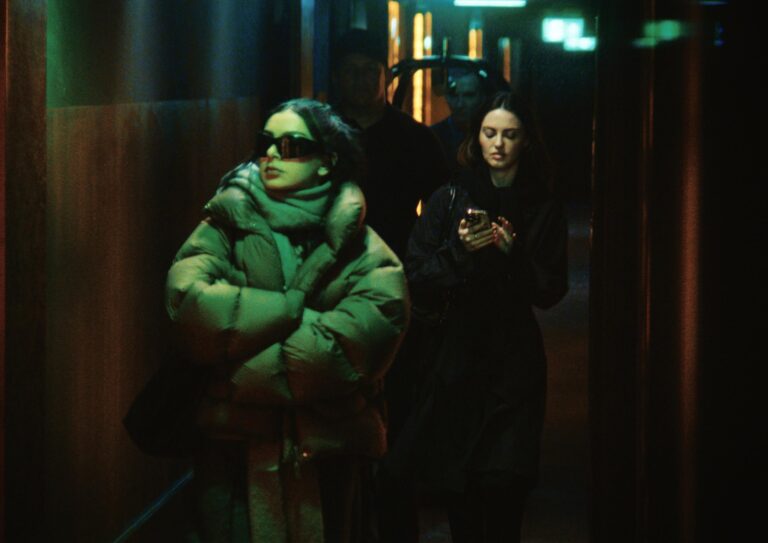
3 Selected By Charli xcx
01.27.2026
Before THE MOMENT hits theaters, catch Charli’s curated choices on the big screen Scarlet Diva, Persona, & A Cross The Universe
Read More
Misc En Scene | First Principles | Film Series At Roxy Cinema
01.08.2026
Margot Stacy of Misc En Scene curates a special film series for the Roxy Cinema this January!
Read More
Roxy Cinema, 2025 Year in Review
12.18.2025
A Landmark Year of Cinema, Community, and Conversation.
Read More